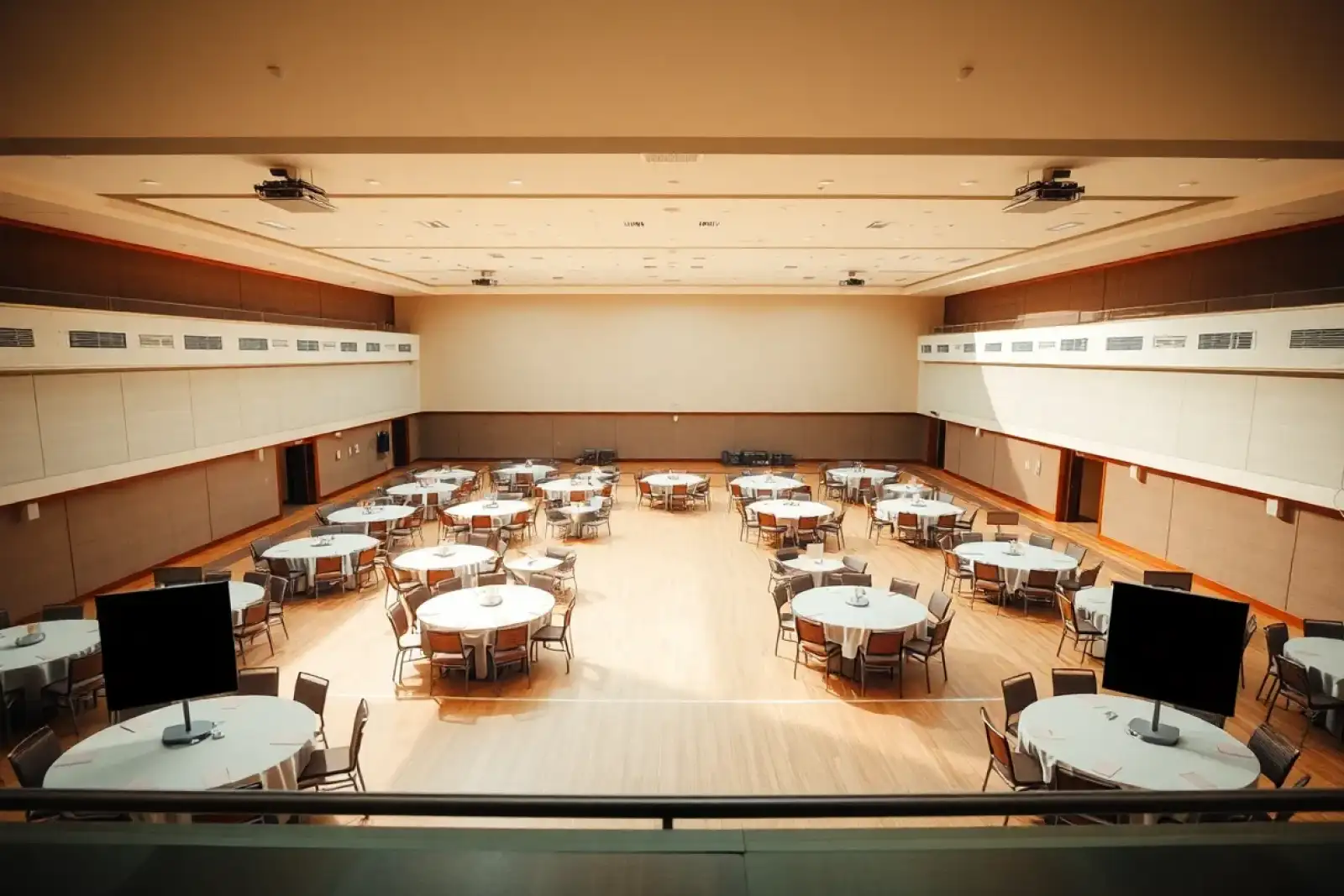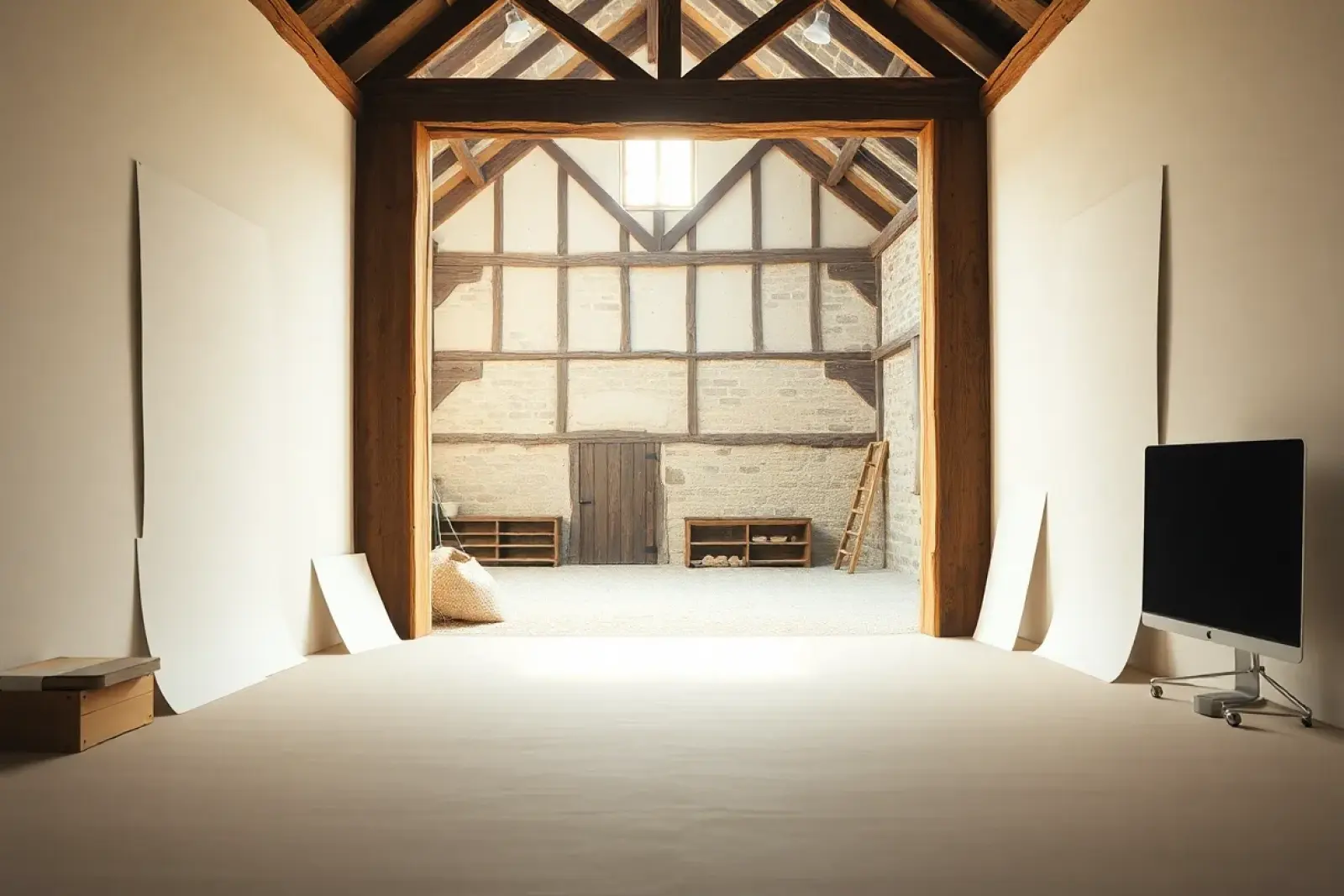
A barn brings atmosphere and almost nothing else. Before you book, check four services and one permission: how much electrical power is available, whether there is running water, how the place can be heated, what the toilets are — and whether the building may legally be used for events at all. With this venue type the hire fee is the smaller part of the bill.
Barn weddings look like simplicity in photographs, and that is exactly the misunderstanding. What appears in the pictures as a raw, honest building is, in most celebrations that actually work, a floor into which a complete infrastructure was carried beforehand: power, light, warmth, toilets, somewhere to wash up, furniture.
This guide works through the points where barns differ, names the technical figures to ask about, and does the arithmetic on an example in which a cheap hire fee turns out not to be cheap. It also helps with the decision between a converted event barn and a raw working yard.
1. Three kinds of barn, three completely different sums
The same word hides buildings that have almost nothing in common. Before you compare prices, work out which kind is in front of you.
| Kind | What is already there | How you recognise it |
|---|---|---|
| Converted event barn | Power, heating, toilets, kitchen, furniture | Its own website, a per-head price list, named contacts |
| Barn on a working farm | Power and water usually yes, toilets and furniture usually no | Letting as a sideline, price quoted as a day rate |
| Historic or listed barn | Often nothing but floor and roof | Run by a council or a trust, many conditions attached |
The middle row is the most common case and the most common misjudgement. A farm that lets its barn for a day rate is selling you a floor and not an event — with everything that follows from it: you organise, you are liable, you clear up.
The third case takes the most work and is sometimes the most beautiful. Where a building is protected as heritage, a conservation authority has a say in what may be fixed, lit and hung up, and the body that decides differs by country. That is not a reason to rule it out, it is a reason to ask early — permissions of this kind take weeks, not days.
Do not ask what the barn costs. Ask what is inside it — and add the rest to the price.
2. Power, water, warmth
Three technical questions decide whether the lights go out during the evening. Ask them at the first appointment, not the second.
- How much power is available? Ask for the amperage and whether there is a three-phase supply. What that amperage buys depends on the country's mains voltage, so convert it to kilowatts before you plan: a single 16 A circuit at 230 V, the European norm, delivers roughly 3.7 kW, while a 15 A circuit at 120 V in North America gives about 1.8 kW. Either way that covers lights and a sound system, and not also cooling, a fryer and a fan heater.
- Is there running water? And if so, hot? A caterer needs water for washing up and for cooling; with no connection a tank comes along, and that appears on the invoice.
- How does it get warm? Barns are uninsulated. From early autumn they cool noticeably overnight, and by mid-autumn a celebration without heating is uncomfortable in any temperate climate.
For the power it is worth writing a small list in advance: which appliances run at the same time, and at what rating? Sound system, string lights, fridges, a beer pump, a coffee machine, heating — the total regularly surprises people. If it exceeds what is available you need a generator, and then the next question follows immediately: where does it stand so that nobody hears it?
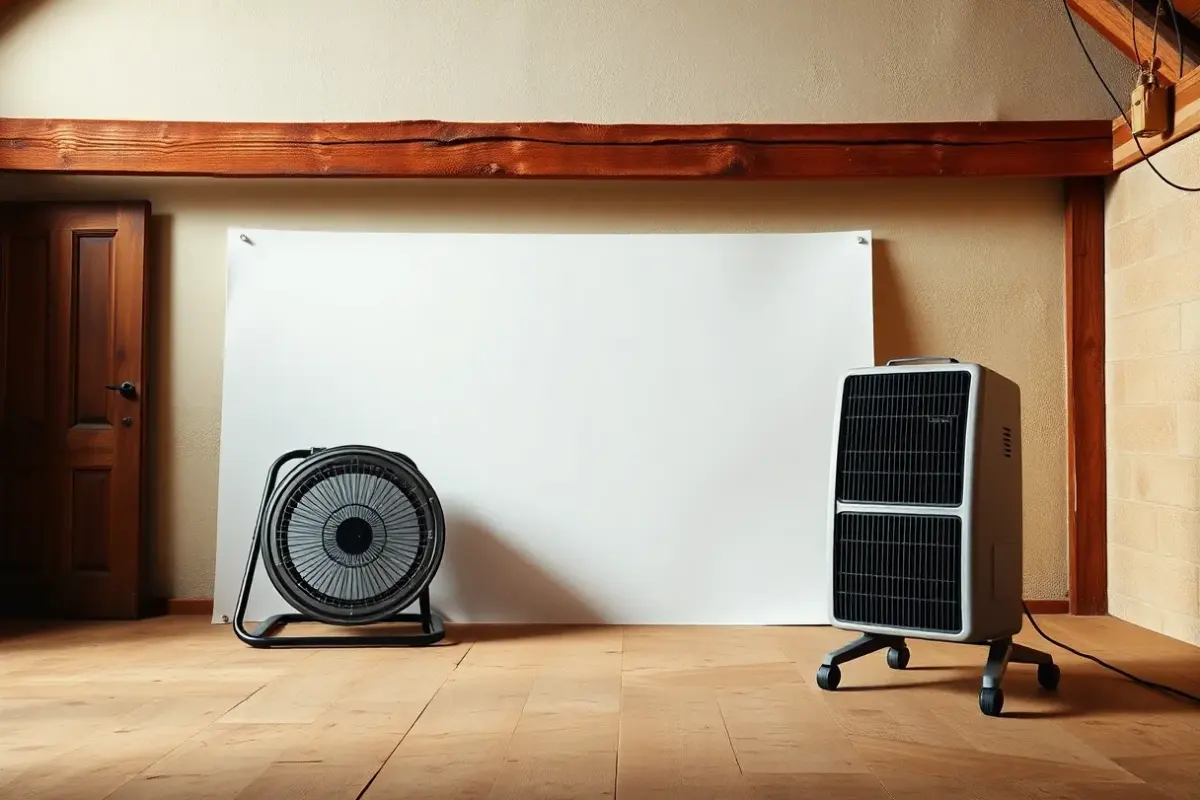
On heating there is a rule that surprises many couples: patio heaters warm people, not rooms. In an open barn they make sense where guests are standing. Getting a whole hall warm is beyond them — that needs a heater sized for the volume, running on power or gas, which in turn needs space and a supply line.
3. Toilets, kitchen, waste
The unromantic part, and the one barn weddings most often come apart on. Three points, in order of urgency.
- Toilets. A farm with two toilets in the farmhouse does not carry eighty guests. The working rule in events is roughly one toilet per fifty people. Whatever is missing arrives as a toilet trailer, which needs level standing ground, power and, depending on the model, a water connection.
- Kitchen. Ask your caterer what they need on site before you book the barn. Some work from a mobile tent and bring everything; others assume a room with connections. That answer is a selection criterion for the venue, not the other way round.
- Waste and the final clean. After a party for eighty guests, several sacks of general waste, glass and food waste are left behind. Settle beforehand who removes them and where to — on a farm there is no collection happening anyway.
One point that rarely gets thought about: the cold chain. Drinks for eighty guests need cooling for hours, and refrigerated trailers are loud. If the trailer stands next to the dance floor you hear it all evening. Plan its spot together with the generator, ideally behind the building.
Related articles
4. What has to be permitted
In planning terms a barn is an agricultural building. Using one for events regularly requires a change of use, and the transferable question is who grants that where you are marrying, and whether this building already has it. The office differs: municipal or district building control in Germany, the local planning authority in England and Wales, county zoning plus a special-event permit in much of the United States. Take the question across a border, never one country's answer.
For you as the hirer, three questions are practically relevant:
- May people celebrate here? Ask whether the building has permission for events. The answer is the owner's responsibility and your risk if a prohibition arrives the day before.
- How late may music run? This follows local noise rules, which in most places set a clear night-time threshold. A barn out in open country usually has more room than one in the middle of a village — though you should not rely on that without asking.
- How is fire safety handled? Dry timber, straw and naked flame do not go together. Ask about extinguishers, escape routes, and whether candles are allowed at all.
A conversation with the immediate neighbours costs half an hour and is the most effective precaution there is. People who know in advance, and who are invited, call the police at night far less often — that holds for farms exactly as it does for residential streets.

5. The honest sum
Do not set the hire fee against other venues' hire fees; set it against their whole offer. A worked example with eighty guests, in dollars and with illustrative amounts rather than market rates:
| Item | Illustrative amount |
|---|---|
| Day hire of the barn | $900 |
| Toilet trailer, delivery and collection included | $700 |
| Generator with fuel | $400 |
| Heating for one autumn evening | $500 |
| Tables, chairs, crockery, glassware | $1,800 |
| Total | $4,300 |
So $900 becomes about $4,300, just under five times as much — and that total contains no food, no drink and no staff. The amounts are illustration and not a price list; the structure of the sum holds anyway, and it is the reason a converted event barn with a higher hire fee often ends up cheaper. How large this block is against everything else is shown in the breakdown of what a wedding costs.
Budget in one further item that never gets an invoice: labour. Setting up, taking down, taking deliveries, returning the hired crockery. If that work sits with you and your families, it costs you the day before and the day after. What a venue that supplies practically nothing really costs is worked through in detail in the piece on the empty venue; how it fits into an overall budget is in budget planning.
A barn is a good choice for couples who know the work involved and want it. It is a poor choice for couples who looked at the price. The difference lies in four questions — power, water, warmth, toilets — and in a permission you have to ask about, because nobody mentions it unprompted.
The next step: ask the owner for a list of what is already there and send it to your caterer. Whatever they add to it is your second invoice.
All things wedding
Plan your wedding
Bring your tasks, costs and guests together for the day.
Invitations and wording
Find the right words for your wedding invitation.
As a wedding guest
Write a personal message and choose a thoughtful gift.
Wedding anniversaries
Explore anniversary names, traditions and celebration ideas.
Planning your dream wedding?
Create your own wedding website in minutes – with RSVP function, photo gallery, and more.