A theme is not decoration, it is a constraint. It fixes colours, materials and shapes, and by doing so it answers a hundred small questions before you get round to asking them. Boho, vintage, modern and classic differ far less in how they look than in what they demand of you. Decide once the venue is confirmed, never before.
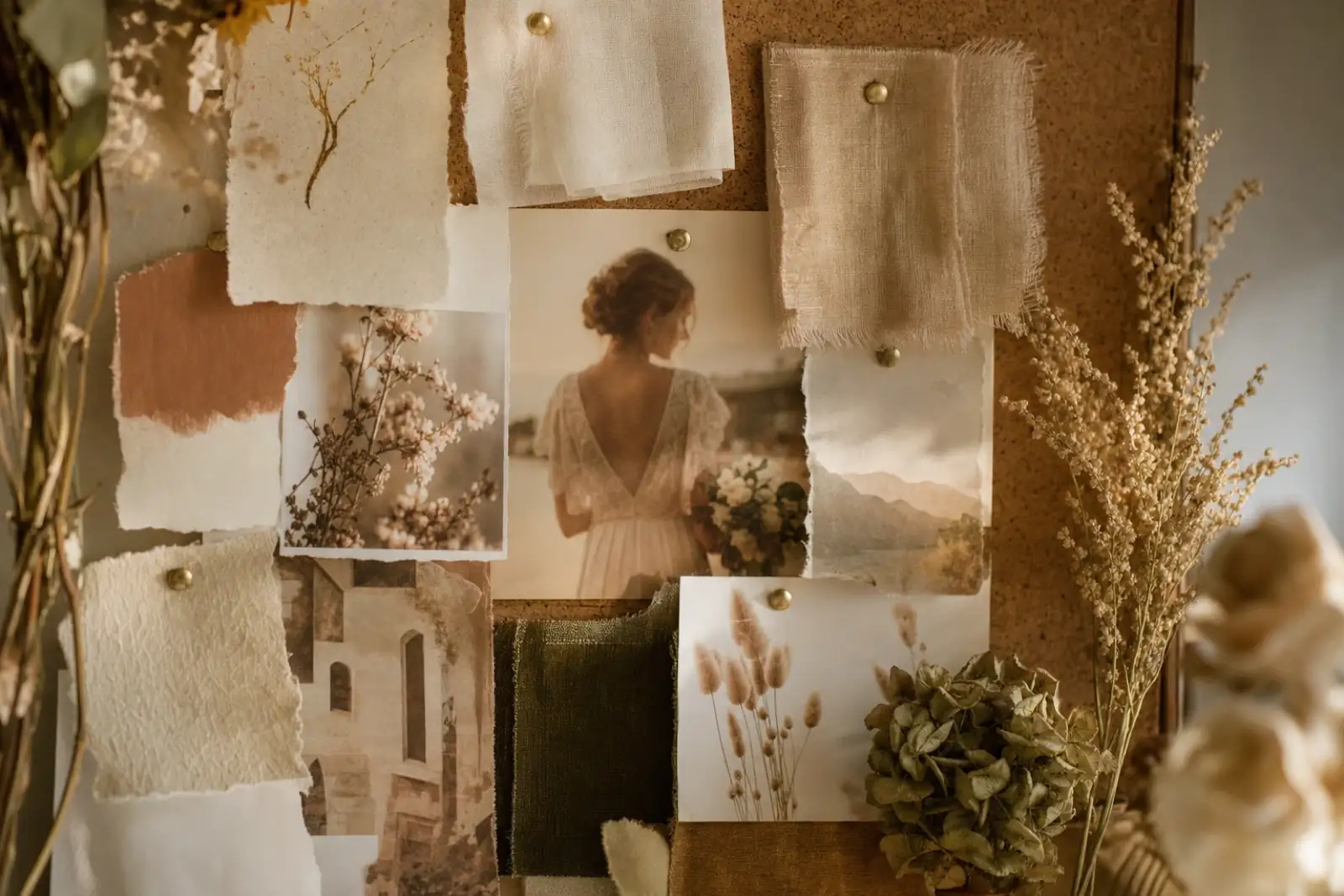
The style question is almost always asked through pictures. You collect examples, like most of what you find, and four weeks later you have two hundred saved images and no decision. A picture shows a result and hides the conditions that produced it: which room, which light, which season, which budget.
Working the other way round is more useful. A theme is a handful of rules: these colours, these materials, this typeface, these flowers. Anything that breaks the rules is out, however good it looks on its own.
1. The point of a theme is the constraint
A wedding is a very large number of very small decisions. Which paper, which ribbon, which vase, which napkin, which candle, which sign at the end of the lane. Each one is harmless. Together they are the reason couples are exhausted in the last month, long after the big things are settled.
With no rules in place, every one of those questions gets decided from scratch, usually by whoever happens to be standing there when it comes up. The result is not ugly, it is undecided: a lot of nice things with nothing to do with each other. You can see it in a room without being able to say what is wrong.
A theme sits in front of all that. It is not another item on the list, it is a filter: these colours, these materials, these shapes. Every one of the hundred small questions now has a criterion, and decisions with a criterion take minutes rather than evenings. That is the entire mechanism, and it is why a narrow concept lightens the planning while a broad one weighs it down.
The second benefit is delegation. If you can describe your style in three sentences, you can hand work over: to the florist, to the hire company, to the aunt writing the place cards. Without those three sentences you have to check every result yourself and send half of it back.
The third is rarely mentioned. A theme makes saying no cheap. Turning down a well-meaning suggestion is uncomfortable as long as it sounds like a verdict on the person who made it. Saying it does not fit the concept is not a verdict, it is a classification, and almost nobody takes it personally.
A theme is not decoration. It is one decision that makes a hundred smaller ones for you.
2. What boho, vintage, modern and classic demand
Three things get mixed up constantly, and most of the confusion comes from there. A style direction is a visual language: materials, edges, typefaces, flowers. A colour palette is a set of shades and works inside any style direction. A motif is a specific object, such as mountains, wine or sailing. It is a nice addition, but it cannot replace a style direction because it decides too little.
Four directions cover most of the weddings actually held in Britain, Ireland, the US and Australia. What matters about them is not how they look but what they ask for.
| Direction | Materials and forms | At home in | What it demands |
|---|---|---|---|
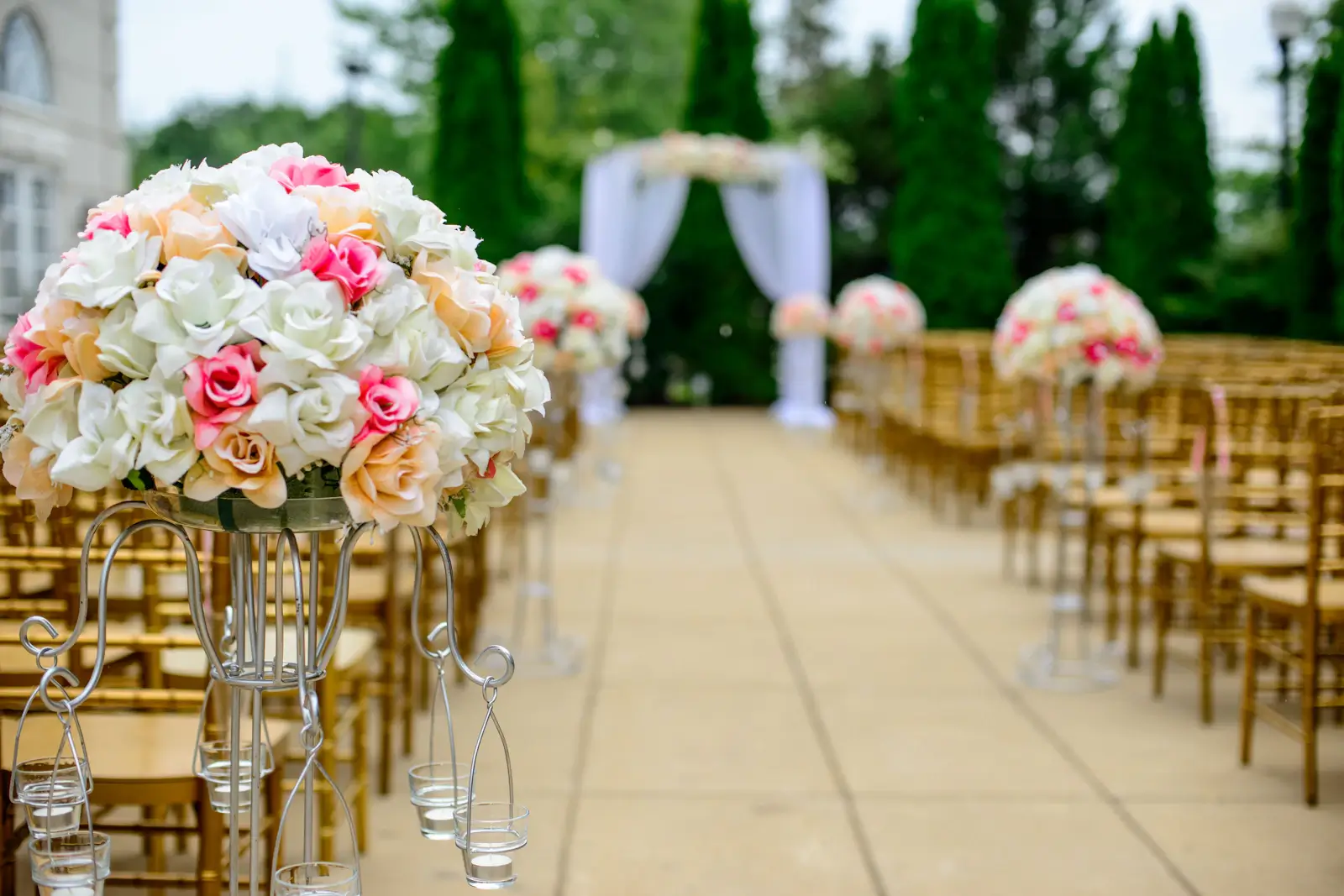
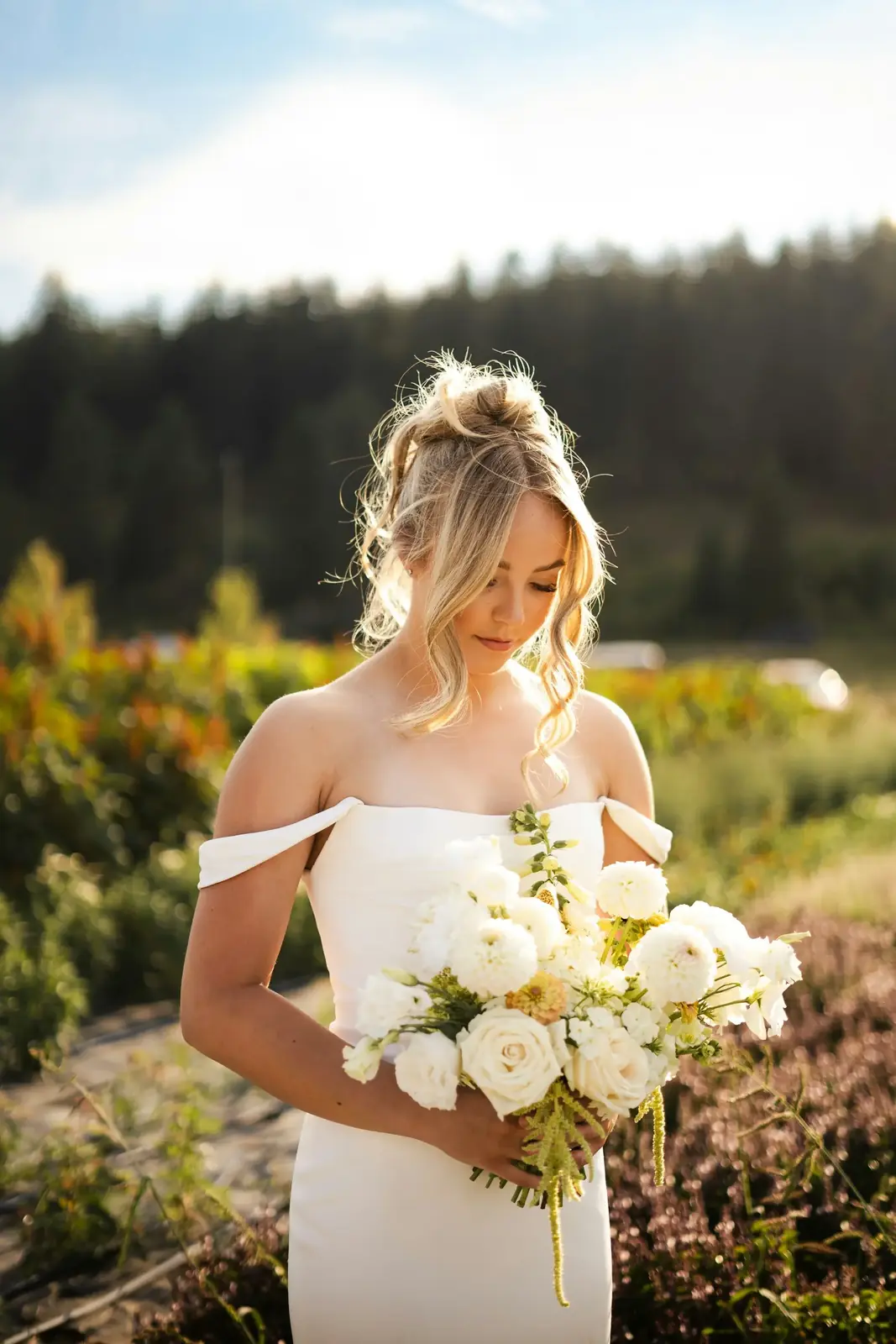
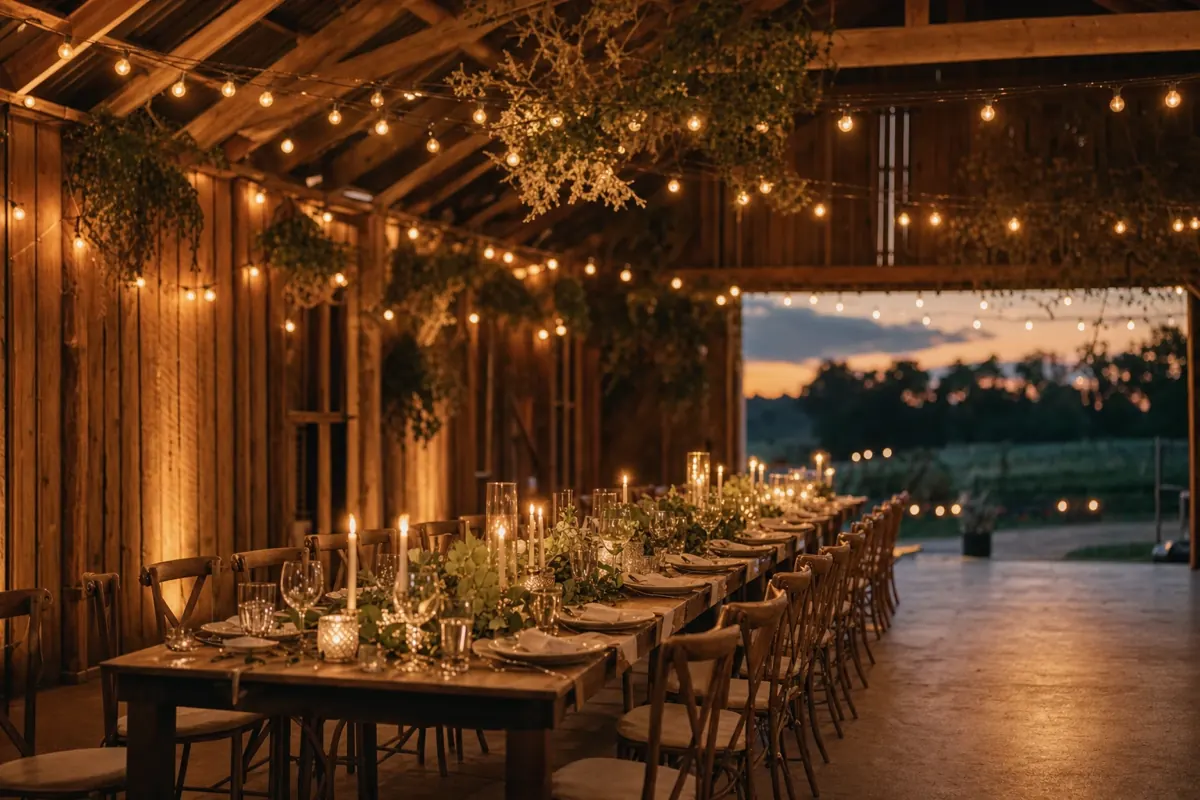
| Boho | Warm natural tones, unbleached linen, wood, rattan, macrame, dried flowers and grasses, soft asymmetric shapes, candlelight | Marquees, tipis, barns, gardens, vineyards, beaches | Space and light. Large loose arrangements and low sun. Under a low ceiling with strip lighting almost nothing of it survives |
| Vintage | Mismatched china, lace, brass, muted colours, framed photographs, second-hand furniture | Country houses, manor hotels, village halls, listed rooms with age of their own | Sourcing. The core material cannot be ordered. It comes from hire companies, families and car boot sales, and that takes months rather than weeks |
| Modern | Few elements, clear geometry, sans-serif type, one or two colours plus white or black, glass, metal, concrete, single structural stems | Warehouses, galleries, city hotels, rooftops, new-build venues | Cleanliness. A cable, a fire extinguisher or one hired chair in the wrong colour is instantly visible in an empty room and invisible in a full one |
| Classic | Symmetry, white and green, serif type, laid tables, linen napkins, a served menu rather than a buffet, candelabra in a line | Churches, ballrooms, orangeries, hotels, stately homes | Completeness. Half a symmetry reads as disorder, where in a looser concept nobody would notice it at all |
Vintage is the one word on that list that gives no instruction on its own. The 1920s, the 1950s and the 1970s look nothing like each other, so name the decade or name the objects, otherwise everybody you brief will picture something different.
Boho carries a legal question the others do not, because it usually means an outdoor ceremony. In England and Wales a civil ceremony has to take place on approved premises, and since 2021 that includes the outdoor grounds of those premises, so a field belonging to nobody is not an option. Scotland is far more open: a celebrant can marry you almost anywhere. In Ireland the venue must be open to the public and the solemniser registered, and in Australia a registered celebrant can marry you wherever you like. In the US it varies by state and is usually straightforward. Check this before you fall in love with a field, not after.
This is also where a German wedding differs from anything in these markets. In Germany and Austria the legal marriage always happens at a register office, so an outdoor ceremony is a separate symbolic one, held by a free celebrant, with the paperwork done on another day or in another building that morning. If you are invited to a German wedding and the invitation names two places, that is why.
Two practical constraints cut across all four. Dried flowers and pampas grass are refused by some venues on fire safety grounds, and a great many venues allow no naked flame at all, which quietly removes the candlelight that boho and classic both depend on. Ask both questions at the viewing.
Most weddings that work sit between two of these directions: classic tables with dried flowers, modern typography on old paper. Try three at once and it falls apart, no matter how good each element is by itself.
3. Where a theme earns its keep
A theme does not work equally hard everywhere. It earns its keep wherever something is repeated many times over and every guest sees it.
- Stationery. For most guests the invitation is the first and often the only announcement of what to expect. Typeface, paper and colour state the level of formality more clearly than any wording, and therefore set it. This is also the point at which a theme has to exist, which is why it belongs to the same conversation as when the invitations go out.
- Tables and the room. Linen, glass, candles, flowers: the things that stand in multiples and are read as a pattern rather than as single objects. A concept pays off most here, because inconsistency multiplies.
- The dress code. As a direction, not as a costume. This is the one place where these markets are far better equipped than the German-speaking one: black tie, morning dress, lounge suit, cocktail and smart casual are settled terms that guests can act on, and naming one on the invitation saves forty messages. A German invitation usually names a mood instead, festlich, meaning smart, and leaves guests to work out the rest, which is why a German wedding can look under-specified to a British reader and why the guests still turn up correctly dressed.
- Signs and small pieces. Welcome sign, direction arrows, menu, place cards, favours. Inconsistency shows up fastest here, because the pieces sit next to each other in one field of view.
- Running order and music. The weakest item on the list and not the least important. A concept that promises restraint and then produces six set pieces contradicts itself in front of everybody, and guests notice that far more clearly than a vase that does not match.
None of those places needs a motif. The coherence comes from three constants, colour, material and typeface, and those survive every change of format. What is equally worth noticing is what is missing from the list: the ceremony, the food and the speeches carry the day without any concept at all. A theme helps at the edges, not in the middle.
Related articles
4. Where it tips over
Five places where a theme regularly does more damage than good.
- Guests in costume. This is the line between design and demand. A theme that prescribes clothing asks every invited person for money, time and the willingness to appear in something they did not choose. Some will play along, some will arrive in ordinary clothes and feel wrong, and the group photographs will show both. Name a direction rather than a costume, and never make attendance depend on it. If you want the detail, our guide to what guests are expected to wear is written from their side of it.
- A theme against the venue. The building is the one element you cannot redesign. Boho in a panelled ballroom, or strict minimalism in a barn, means spending money to hide a room, and the room wins anyway. The test: photograph it empty and see what remains. Floor, walls, ceiling, chairs and light always remain.
- The concept that has to be brought in. The cost is not in the idea, it is in the number of objects that have to be delivered, set up, collected and returned. This is the difference between a dry hire venue, where you supply everything down to the glassware, and a venue that includes it. A concept that works with what the house already owns is not the poorer one, it is the calmer one.
- The motif on everything. A repeated symbol on invitation, napkin, glass, sign and cake topper does not read as considered, it reads as merchandise. Used twice a motif is a signature. Used ten times it is a brand.
- Food in service of the concept. The menu follows the season and the kitchen, not the palette. Dishes pushed towards the colour of a concept rarely taste better than the ones that would have been good on their own.
The common thread: a theme tips over the moment it stops removing decisions and starts forcing them, against the venue, against the season, against the budget or against the guests.

5. From theme to decision rule
A theme only becomes useful once it can be said in one sentence. There is one test you cannot fudge: say the sentence to a florist. If they can propose something, it was a theme. If they ask you for pictures, it was a collection.
Three constants are enough: one main colour, one material, one typeface. Any more is clutter, any fewer will not hold the day together. Secondary shades may join as long as none of them argues with the main colour. With those three in hand you decide every purchase in seconds, including late at night and including when somebody else is asking.
The timing is after the venue and the date and before the stationery. The venue dictates the room, the light and the base colours, and the season dictates what is in flower and how long it stays light. Fix the concept before that and you decide twice, once in your head and once after reality has overwritten the first answer.
Write the sentence down and give everybody the same one. It belongs in the briefs to your suppliers, in the invitation and on your wedding website, which already carries the timings and the directions. Two versions of one concept are two concepts, and the difference only becomes visible when both deliveries are standing in the room.
You can also do without a theme entirely, but not without a rule: one colour and one material do the same work as a named style direction, they simply have no label. And a few weeks out, lay everything you have bought side by side on a table. Bought over months and in different moods, a collection is only visible as a whole in one place. Early enough to swap two things, and too late to overturn all of it, which in this case is an advantage.
A theme is a constraint, and that is exactly where its value lies. It answers the small questions in advance, it makes handing work over possible, and it makes refusing an idea cheap. It earns its keep on paper, in the room and as a direction for what guests wear. It tips over the moment it puts guests in costume, works against the building or has to be brought in by van. The next step is the one sentence: after the venue is confirmed, before the first order goes out.
All things wedding
Plan your wedding
Bring your tasks, costs and guests together for the day.
Invitations and wording
Find the right words for your wedding invitation.
As a wedding guest
Write a personal message and choose a thoughtful gift.
Wedding anniversaries
Explore anniversary names, traditions and celebration ideas.
Planning your dream wedding?
Create your own wedding website in minutes – with RSVP function, photo gallery, and more.