Follow the dress code on the invitation if there is one, and dress one step smarter than you think if there is not. Avoid white, cream and ivory, avoid anything that upstages the couple, and check the venue before the outfit. Comfort matters more than the photographs: you will be in it for twelve hours.
Wedding dress codes are a small private language, and the invitation rarely explains it. Black tie, morning dress, lounge suit and cocktail all mean specific things, and two of them mean different things in Britain and America.
This article decodes the usual codes, sets out the short list of things to avoid whatever the code says, and covers the awkward cases: outdoor ceremonies, places of worship, hot weather and an invitation with no instruction at all.
None of it is about spending more. Most of getting this right is reading the invitation properly and checking where the ceremony actually is.
1. What the dress codes actually mean
Take the wording literally. Couples who print a dress code have usually thought about it, and it is often driven by the venue rather than by taste.
| Dress code | Men | Women |
|---|---|---|
| White tie | Tailcoat, white waistcoat, white bow tie | Full-length gown |
| Black tie | Dinner jacket, black bow tie | Full-length or elegant midi |
| Morning dress | Morning coat, waistcoat, striped trousers | Day dress with a hat or fascinator |
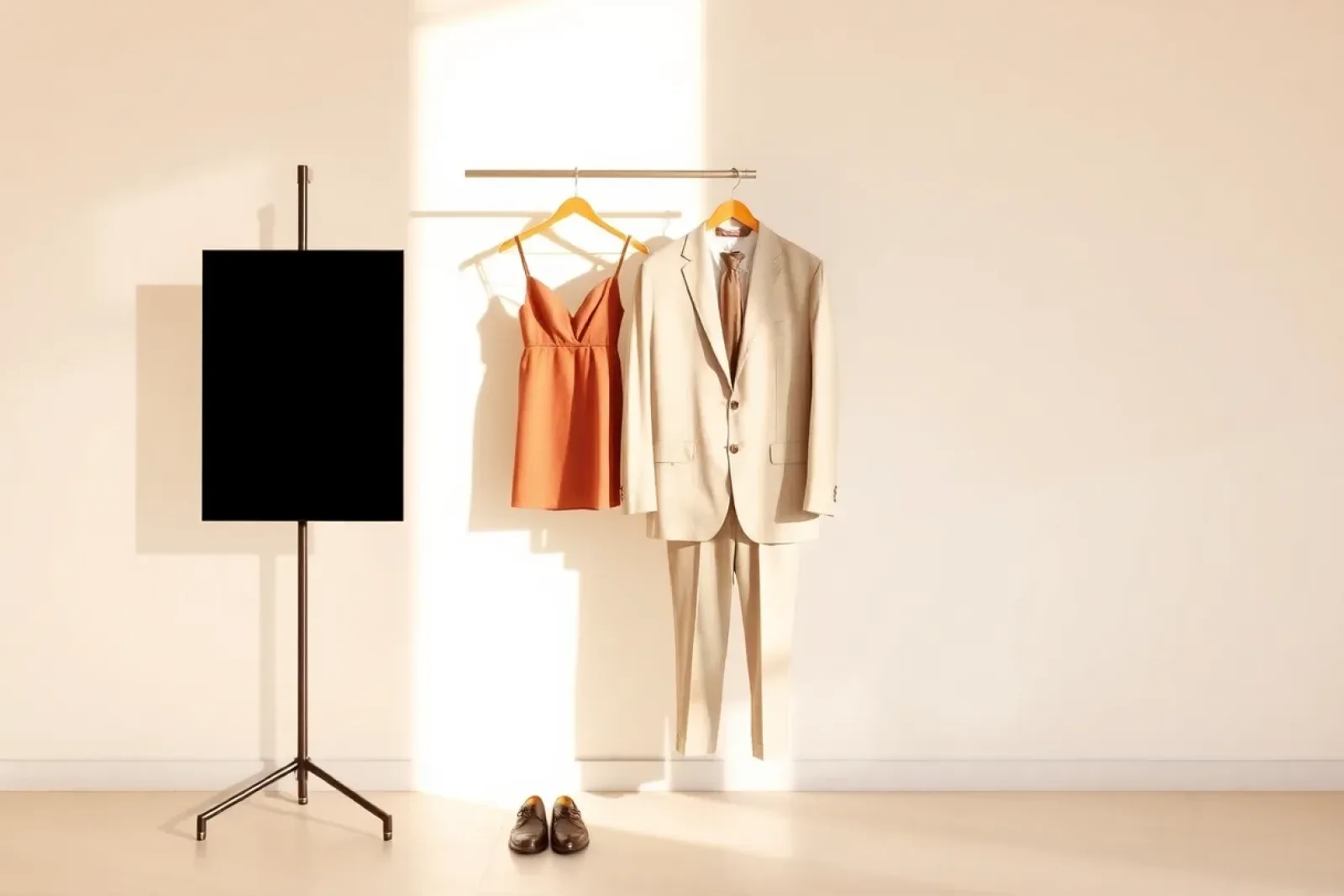
| Lounge suit | Any suit and tie | Day dress, smart separates |
| Cocktail | Suit, tie optional | Knee or midi length dress |
| Smart casual | Blazer and chinos, no tie | Dress or smart trousers, flat shoes fine |
Two traps. Morning dress is a daytime code and is worn to formal British weddings, typically before five in the afternoon; it is not interchangeable with black tie, which is an evening code. And black tie optional means the couple are happy either way, so a dark suit is genuinely fine.
If the invitation says nothing at all, a suit or a day dress covers almost every wedding in Britain, Ireland and the US.
Nobody has ever been criticised for being slightly too smart at a wedding. The other direction gets noticed.
2. The short list of things to avoid
The list is shorter than the internet suggests, and most of it comes down to not competing and not distracting.
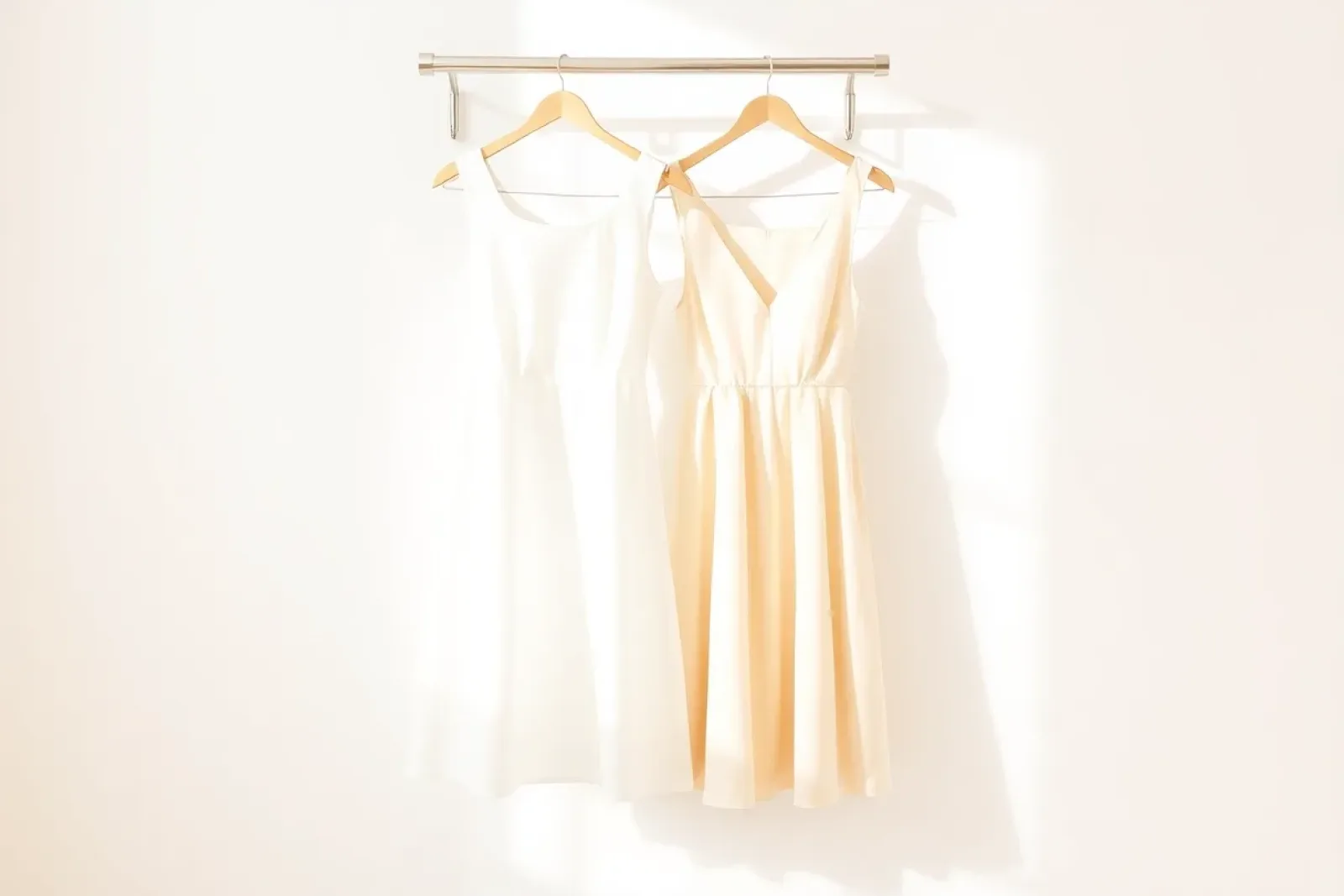
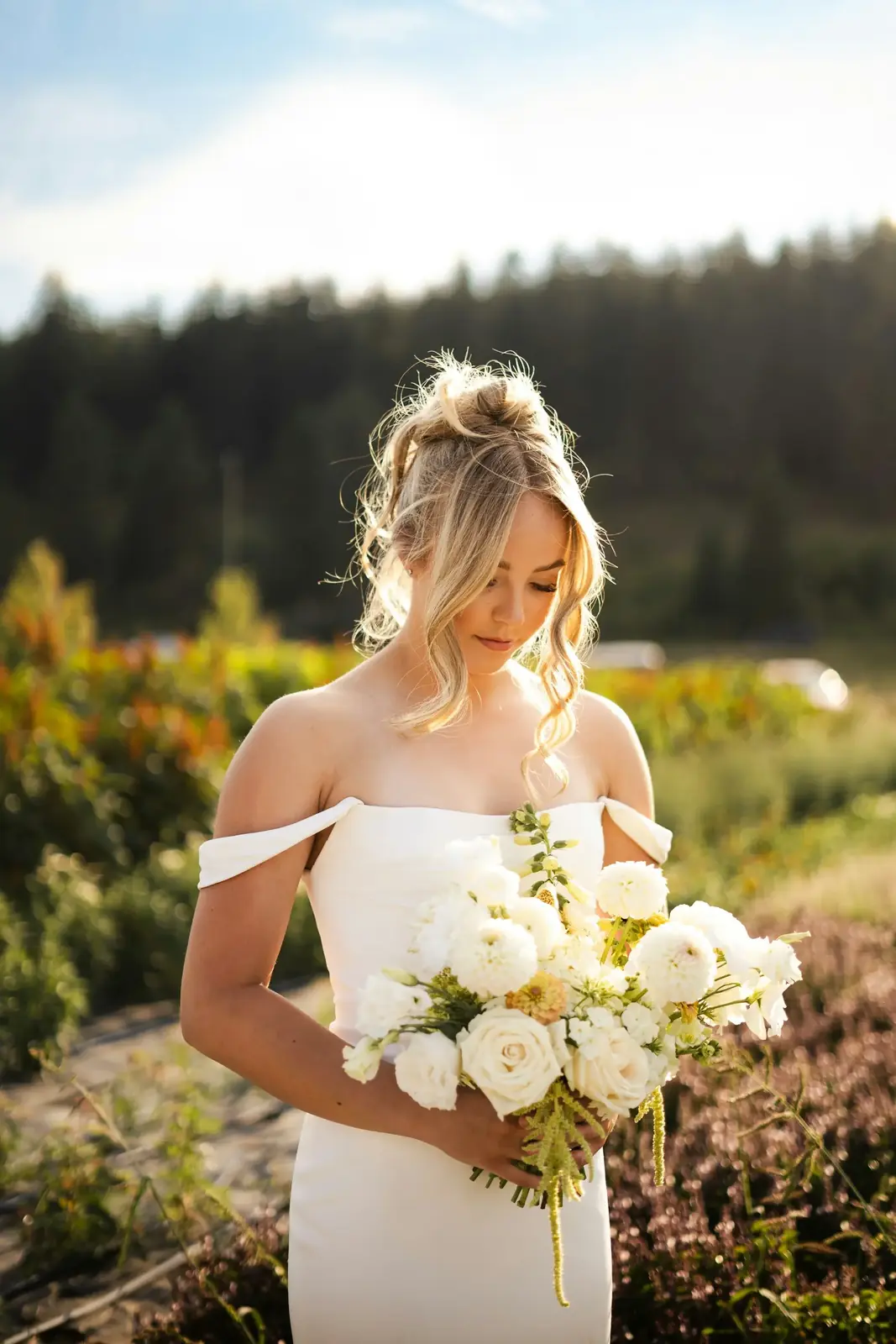
- White, cream, ivory, champagne. The one near-universal rule in English-speaking weddings, and it applies to a white top with a coloured skirt as well.
- A full bridal look. Long, pale, heavily beaded, or a veil-adjacent headpiece. Even in navy this can read wrong.
- The bridal party colour. If you know the bridesmaids are in sage green, wear something else. Nobody wants to be mistaken for staff or for a bridesmaid who missed the memo.
- Anything you cannot sit, walk or dance in. A wedding is a very long day on your feet.
- Slogan or novelty clothing. It will be in the group photograph for the next fifty years.
Black is fine. The idea that it is funereal has largely gone in Britain, Ireland and the US, and a black dress or a dark suit is now among the safest choices there is. Red is also fine, notwithstanding a persistent piece of folklore about it drawing attention; it is often said to be discouraged, but no current etiquette source treats it as a rule.
Do check one thing before dismissing all of this: some families and communities carry their own colour conventions, and the safest move is a single question to whoever invited you.
3. Read the venue before you choose the outfit
The venue governs more than the dress code does. Four situations change the answer significantly.
- Church, chapel, synagogue, mosque or temple. Shoulders and knees covered is the common baseline; some places expect a head covering, and some expect shoes off. Ask, rather than arriving and improvising with a pashmina.
- Outdoors on grass. Stiletto heels sink. Block heels, wedges or flats, and a plan for wind if you are wearing anything light or wide.
- Tent or barn. Almost always colder in the evening than the afternoon, whatever the month. A jacket or wrap that you are happy to be photographed in.
- Beach or garden abroad. Light fabrics, and shoes you can carry. Linen creases, which is a feature rather than a fault.
Weather deserves its own thought in Britain and Ireland, where a June wedding can be fourteen degrees and horizontal rain. A coat that works over the outfit is more useful than an umbrella, and there is usually somewhere to leave it.
If the couple have published a schedule, use it. A ceremony at one o'clock followed by photographs on a lawn and dinner at seven is a completely different clothing problem from a five o'clock ceremony indoors, and the timings are usually on the couple's wedding website alongside the venue address.
Related articles
4. Hats, morning suits and the British particulars
Some of the more elaborate conventions are specific to Britain and Ireland, and they are softening rather than hardening.
Hats. Traditionally worn by women at formal daytime weddings, and still common at church weddings and anything with morning dress. A fascinator or headpiece is the lighter alternative. At an informal or evening wedding, bare-headed is entirely normal. If you do wear a hat, the old convention is that it comes off in the evening.
Morning dress. Rented rather than owned by most guests, at roughly 100 to 180 pounds for a full outfit. Only wear it if the invitation asks for it; turning up in a morning coat at a lounge suit wedding is the one direction where being smarter does look odd.
Fascinators for men, and other novelties. No.
Kilts. At Scottish weddings, formal Highland dress is worn by guests as well as by the wedding party, and counts as equivalent to black tie or morning dress depending on the jacket.
American readers will find morning dress essentially absent and hats far less common, with black tie doing most of the formal work instead.
5. The practical checks nobody makes until it is too late
Most outfit disasters at weddings are logistical rather than aesthetic. Run through these once, two weeks before.
- Wear the whole outfit at home, shoes included, for an hour. Four weeks can change a fit, and new shoes reveal themselves at hour three of a wedding, not hour one.
- Sit down in it. Then stand up. Then check it in daylight and in a mirror from behind.
- Check the fabric against the forecast. Dark linen in strong sun and heavy wool in a tent are both mistakes you make once.
- Plan for a spill. A pale outfit and red wine share a room for eight hours.
- Take flats if you are wearing heels. Every wedding ends with somebody barefoot on a dance floor, and it is more comfortable to have chosen that.
If you are attending as a couple or a family, coordinate lightly rather than matching. Matching outfits photograph as a costume; picking up one shared colour reads as considered.
Last thing: whatever you decide, be dressed appropriately when you arrive rather than changing later. The ceremony is the part that gets photographed most, and it is usually the first hour.
Read the dress code literally, check the venue and the timings, avoid the pale end of the colour range and choose shoes you can stand in. That covers nearly every wedding you will ever attend. If the invitation gives you nothing to work with, one message to whoever invited you settles it in a sentence and is far less awkward than guessing.
All things wedding
Plan your wedding
Bring your tasks, costs and guests together for the day.
Invitations and wording
Find the right words for your wedding invitation.
As a wedding guest
Write a personal message and choose a thoughtful gift.
Wedding anniversaries
Explore anniversary names, traditions and celebration ideas.
Planning your dream wedding?
Create your own wedding website in minutes – with RSVP function, photo gallery, and more.