Work backwards, never forwards. Fix dinner first, then sunset for the couple portraits, and set the ceremony so that two to three hours sit between the end of the ceremony and the meal. In summer that usually lands you between 1pm and 3pm; in winter, between 11am and 1pm.
The ceremony time is the single most consequential number of the day. It decides when the morning starts, how long the gap before dinner becomes, whether the portraits fall into good light, and how late the night runs. And yet it is usually chosen by whichever slot happened to be free.
That is understandable but backwards. Once you know which time you need, you can ask for that specific slot — and the rest of the day sorts itself out with remarkably little effort.
1. Working backwards is the only method
Start with the point that moves least. That is almost always dinner, because catering has a fixed preparation window and because people get hungry and short-tempered past a certain hour. Six to seven in the evening is typical in summer, five to six in winter.
The second fixed point is sunset. The hour before it is the best light for couple portraits, and that hour moves by more than five hours across the year. The third is travel: if a chunk of your guests drive two hours, the ceremony cannot start at ten in the morning.
Those three points define a window, and the ceremony goes inside it. Allow twenty to thirty minutes for a civil ceremony and forty-five to sixty for a celebrant-led or religious one, plus forty-five to sixty minutes for congratulations and the first group photographs immediately afterwards.
The reason this only works backwards is that the fixed points sit at the end of the day rather than the beginning. Count forwards and you start from waking up and push every inaccuracy ahead of you until it arrives at dinner. Count backwards and you land on the morning and immediately see whether that morning is realistic. That is the whole purpose of the exercise: it does not test whether the day will be lovely, it tests whether it fits into the hours available. Taken seriously, it usually moves the ceremony by an hour and makes the whole day calmer.
The ceremony time is not a preference. It is the number the whole day hangs from.
2. Start times compared
Every start time has a consequence you only notice on the day. The table names them in advance. It assumes a day with ceremony, drinks, dinner and an evening party at or near the same place.
| Ceremony starts | What works well | Where it gets tight |
|---|---|---|
| 10 to 11am | Long drinks reception, relaxed lunch, plenty of time for photographs. | A very early morning, often from 5am. Travelling guests barely make it. |
| 12 to 1pm | The classic lunch wedding. The afternoon stays open for whatever you want. | The gap before evening gets long and has to be filled properly. |
| 2 to 3pm | The most comfortable summer shape: drinks, portraits in evening light, dinner at six. | Little slack if the ceremony overruns. |
| 4 to 5pm | Short and dense. Guests can travel in on the same day. | In winter it is dark by the time you leave the ceremony. Photographs need lighting. |
| 6pm and later | Ceremony and party merge, and candlelight does a lot of the work. | No daylight photographs, and a long empty day beforehand for guests. |
With two ceremonies on one day, everything moves by the length of the second plus travel between them. Plan earlier rather than later.
3. The four fixed points the time hangs from
Before you request a time, check these four. They are the only things that can genuinely block a start time:
- Available slots. Registrars work to fixed times, often in half-hour intervals and only on certain days. Licensed outdoor locations usually have far fewer.
- The caterer's service time. It follows from the menu. A plated multi-course dinner needs an earlier start than a buffet.
- Sunset on your date. Not today's sunset — the one on the wedding day. Between June and September the difference is nearly two hours.
- How far guests travel. Use the longest realistic journey, not the average one.
A fifth point appears only for outdoor celebrations: the evening curfew. If outdoor music has to stop at a set hour, the whole evening moves earlier — and with it the ceremony.
Related articles
4. What shifts with the season
Ceremony time is not a fixed quantity, it is a function of daylight. In northern Europe the sun sets around half past nine in late June, around a quarter to eight in mid-September, around five in late October once the clocks go back, and around four just before Christmas. A three o'clock ceremony in June has six and a half hours of daylight after it. The same ceremony in December has one.
In practice that means you can marry late in summer and still do everything in daylight. In winter the ceremony has to move earlier if you want daylight photographs — often to between eleven and one. That pulls dinner forward too, which suits a winter evening anyway.
Whatever you choose, communicate an arrival time rather than a start time. Guests who aim for the ceremony time arrive late. A line such as 'arrive from 2.15pm, ceremony at 2.45pm' on the invitation or the wedding website solves the problem completely.
One quirk deserves a mention: the weekends the clocks change. In the UK and across Europe they go forward on the last Sunday in March and back on the last Sunday in October, and each shifts sunset by a full hour overnight. A wedding on the October weekend has an hour less evening light than one held seven days earlier, and guests have an hour more night. Check whether your date falls on either weekend, and calculate the ceremony time using the times that apply after the change rather than before it.
5. The most common start-time mistakes
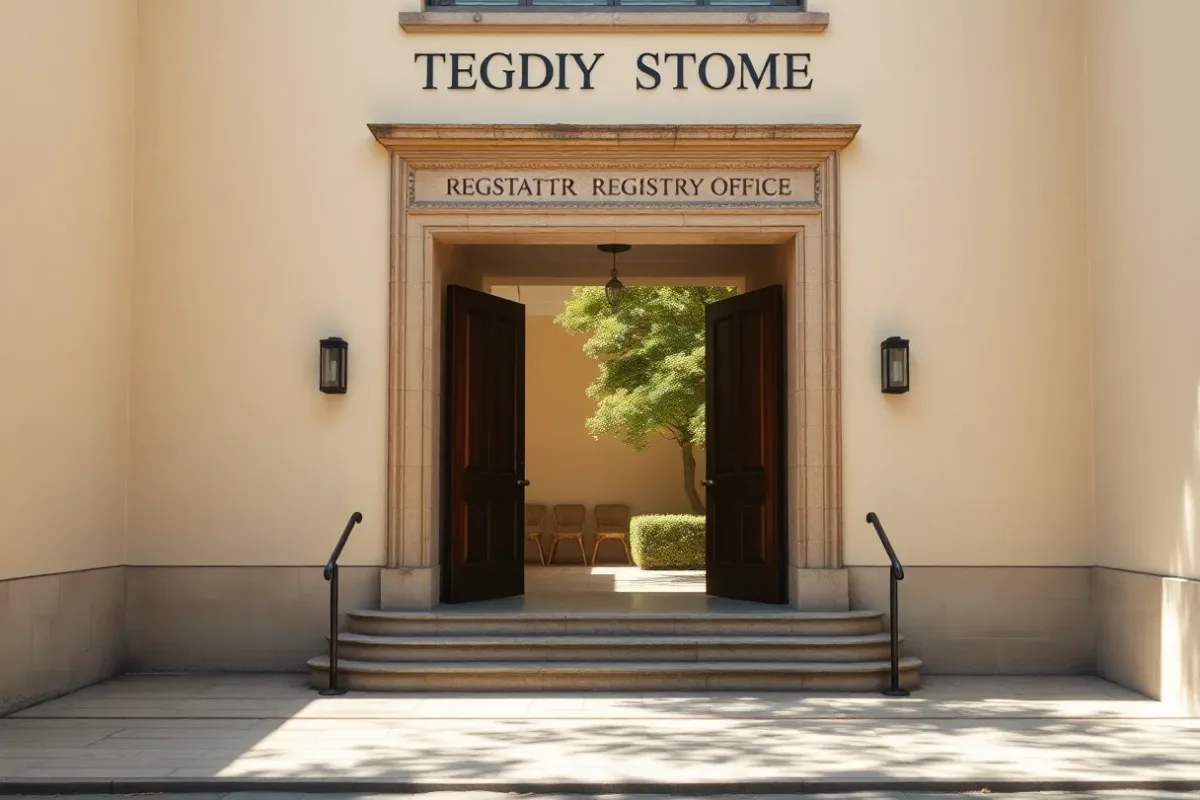
The first is mistaking an available slot for the right one. A half past nine ceremony is not good simply because it was free. Ask for every available time in your window and then choose, rather than accepting the first offer.
The second is forgetting the journey between locations. Twenty to forty minutes is common, and guests take longer than you do — they park, they gather, they get lost. Double the travel allowance when a lot of cars are involved.
The third is underestimating congratulations. With eighty guests, a hug and a few words each easily runs to thirty or forty minutes. It appears in almost no home-made schedule and it happens every single time.
A fourth mistake is rarer and expensive: changing the start time after the invitations are printed. Moving by thirty minutes sounds harmless and in practice never reaches everyone. Some guests do not read the correction, and those are exactly the ones who arrive at a locked door or walk in mid-ceremony. If the time genuinely has to move, tell people actively and individually rather than relying on a message going out. And ask your officiant how long the ceremony runs rather than estimating it — registrars work to fixed slots and will tell you, celebrants usually land between forty-five and sixty minutes, and religious ceremonies with music often run longer than couples expect. That single figure shifts the whole afternoon when it is assumed wrongly.
Take five minutes and count backwards: your preferred dinner time, minus two to three hours of drinks, minus an hour of congratulations and photographs, minus the length of your ceremony. The number you land on is the slot worth asking for.
All things wedding
Plan your wedding
Bring your tasks, costs and guests together for the day.
Invitations and wording
Find the right words for your wedding invitation.
As a wedding guest
Write a personal message and choose a thoughtful gift.
Wedding anniversaries
Explore anniversary names, traditions and celebration ideas.
Planning your dream wedding?
Create your own wedding website in minutes – with RSVP function, photo gallery, and more.