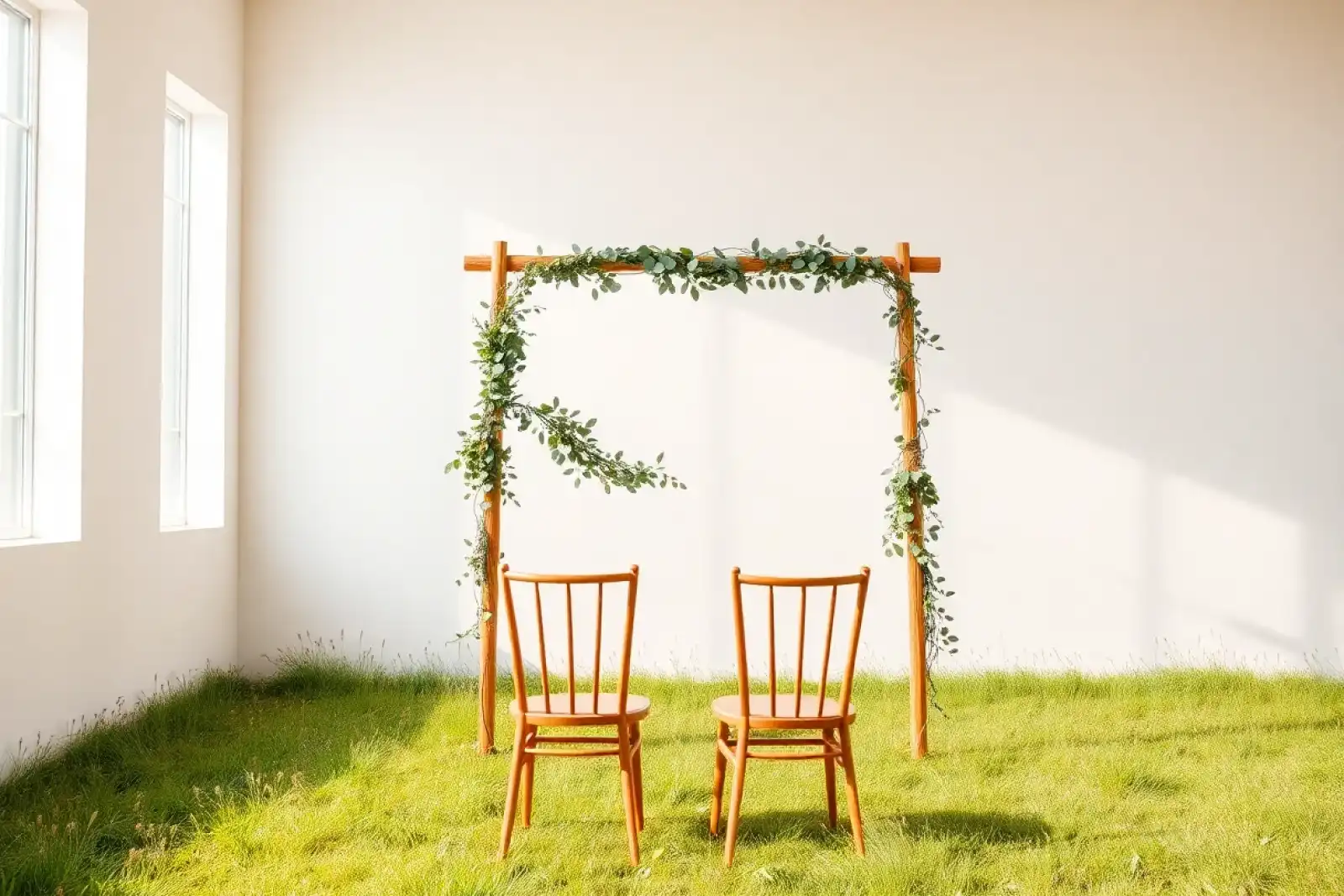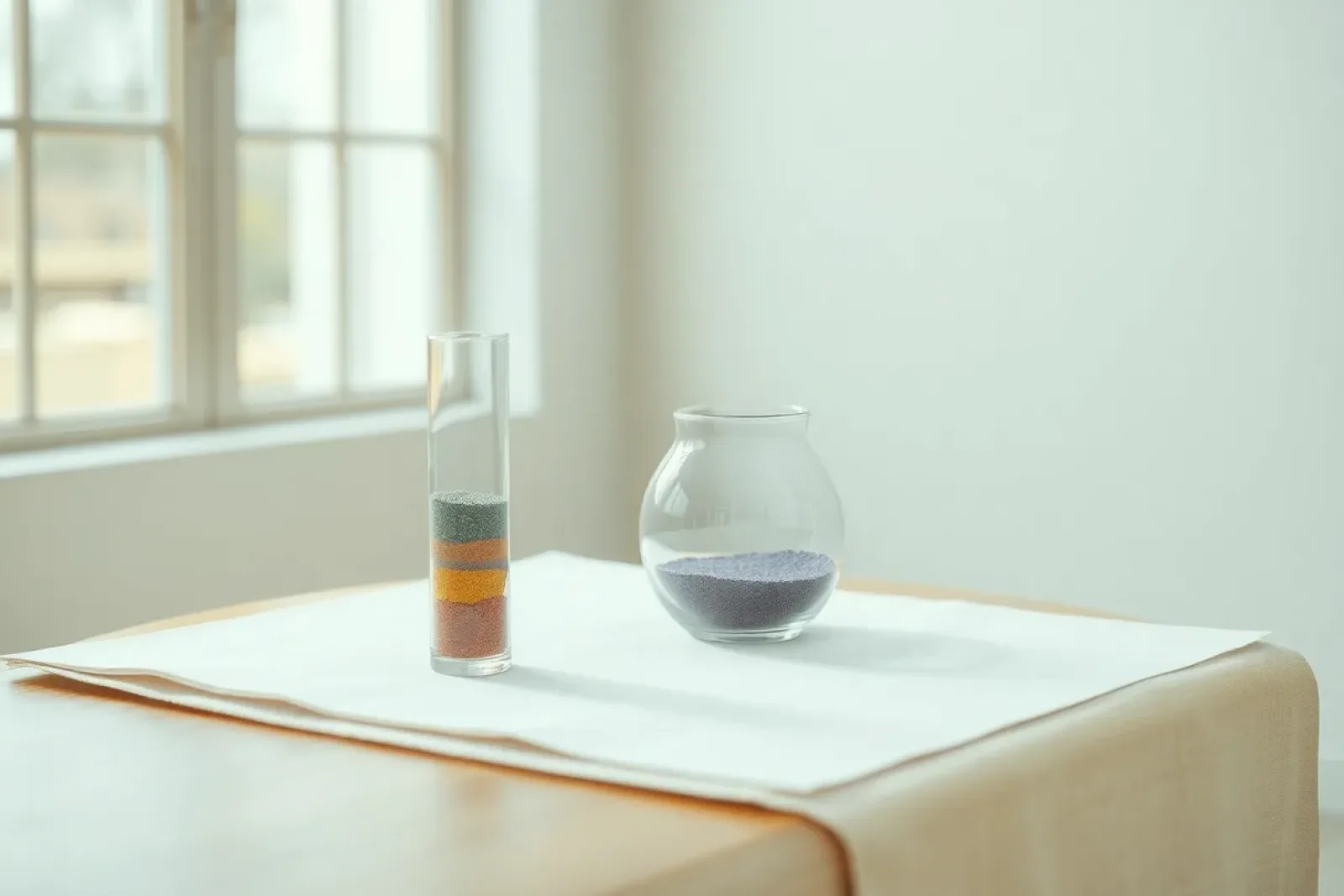
A unity ritual takes three to six minutes and replaces words with an action. Sand and candle ceremonies are the simplest, handfasting the most visual, tree planting the most work. Choose one, or at most two: from the third onwards a ceremony starts to feel like a list of items.
Rituals are the part of a celebrant-led ceremony that gets copied most and considered least. Yet the choice decides three practical things: how long the ceremony runs, how well it survives weather, and whether anything is left afterwards that you actually want.
The comparison below assumes a celebrant-led ceremony. Churches permit only some of these, and what is allowed is the incumbent's decision.
1. Eight rituals side by side
The table scores each ritual on the four criteria that matter when you are planning.
| Ritual | Length | Effort | Weatherproof | What you keep |
|---|---|---|---|---|
| Sand ceremony | 3 to 4 min | Low | Vulnerable to wind | A filled glass vessel |
| Unity candle | 3 to 5 min | Low | No, wind puts it out | A candle for anniversaries |
| Handfasting | 4 to 6 min | Medium, needs a script | Yes | The cords |
| Tree planting | 5 to 8 min | High | Yes, if there is soil | A tree, if you stay put |
| Wine box with letters | 4 to 5 min | Medium | Yes | A box to open in years |
| Ring warming | 3 to 6 min | Low | Yes | Nothing but the memory |
| Blessing stones | 4 to 6 min | Low | Yes | A bowl of stones |
| Time capsule | 3 to 4 min | Medium | Yes | A sealed box |
Two notes on the table. Ring warming, where the rings are passed through the rows, takes time in proportion to guest numbers and stops working above about 60 people. And a unity candle outdoors only makes sense inside a storm lantern, otherwise lighting it becomes slapstick.
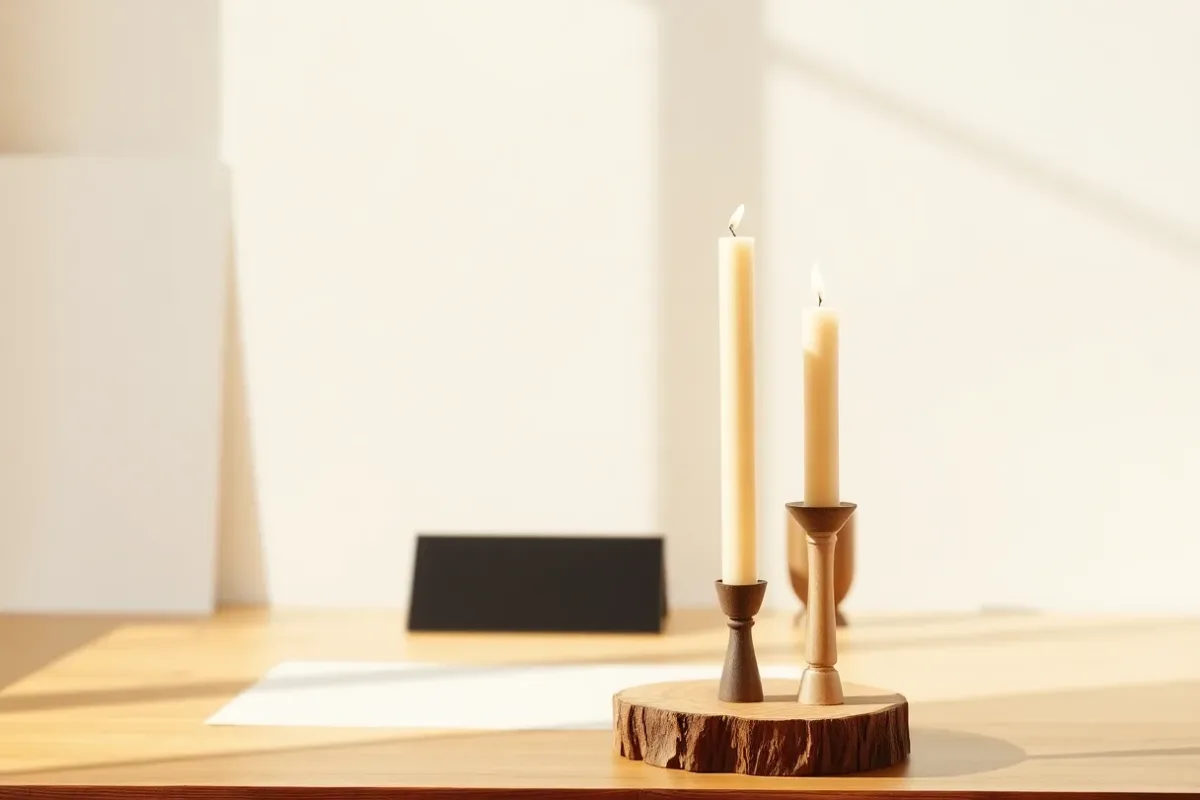
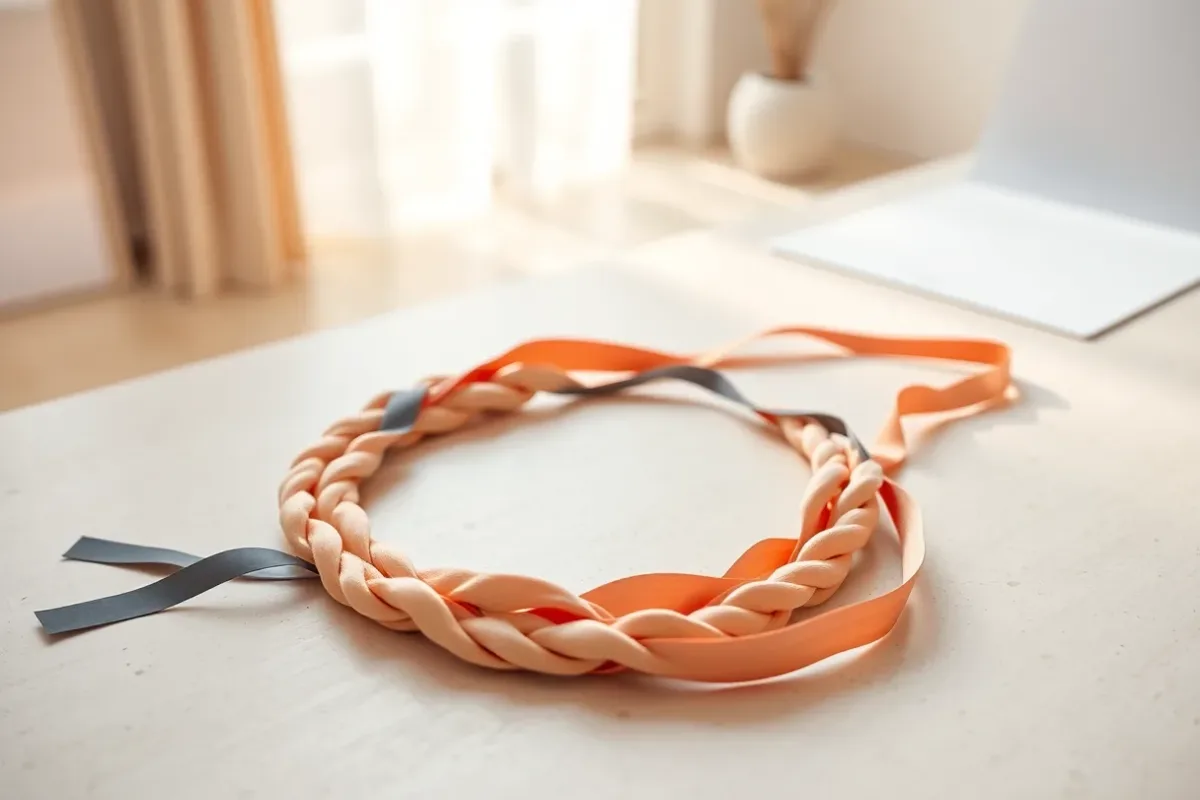
For the three most-chosen rituals, here is what actually happens, in three steps each. Sand ceremony: the celebrant explains in two sentences what the colours stand for; you pour in turn and then together into the large vessel; the vessel is sealed and set aside. Unity candle: two taper candles are already lit when you step forward; each of you takes one and together you light the large candle; the tapers are put out and the large candle burns until the end of the ceremony. Handfasting: you join hands across; the celebrant lays the cords on one at a time, saying a line for each; the knot is drawn at the end, and the cords stay tied when you let go.
A ritual that has to be explained before it starts has already lost its point.
2. Which ritual suits which situation
The choice follows the circumstances more than the taste. Four cases cover most couples.
- You are bringing children into the marriage. The sand ceremony is hard to beat, because each child gets a colour and is visibly part of the result. Other ways to involve them are in flower girls and ring bearers.
- You are outdoors and it may be breezy. Handfasting, blessing stones or a time capsule. Anything with an open flame is out.
- You want guests involved. Ring warming for small numbers, blessing stones for large ones: each guest holds a stone briefly and places it in a bowl.
- You want something that pays off later. A wine box with letters, or a time capsule to open on the fifth or tenth anniversary.
What churches permit varies widely. Unity candles are common in some traditions, handfasting occasionally, sand ceremonies almost never. Ask at the planning meeting rather than assuming, as the guide to church wedding requirements explains.
3. What a ritual needs to work
Rituals rarely fail on the concept and regularly fail on the execution. Three things decide it.
A script that carries it. The action alone says nothing. Somebody has to explain in two or three sentences what it stands for, and do it before it starts rather than afterwards. Those sentences are the celebrant's job, as described in the officiant script.
A table at the right height. Almost every ritual needs a surface. Too low means stooping, too high means nobody can see what is happening. Thirty-two to thirty-six inches works, and the photographer should know where it stands.
A mental rehearsal. Who carries what forward, who holds what, where the matches are. Answering those three questions takes five minutes and prevents the pause where three people search at once.
Rituals that involve the guests need a fourth calculation, and it is worth doing on paper. Allow about five seconds per guest if something is simply passed along the rows, and twelve to fifteen seconds if someone has to stand up and come forward. With 40 guests that is three to four minutes for passing and ten minutes for coming forward. The second version breaks any ceremony; the first just about works. Above 60 guests, participation only works in parallel, for instance everyone placing something in a bowl at the same time while you carry on at the front.
Afterwards, think about where the result goes. A sand vessel with no shelf, a candle nobody relights, a wine box with no date on the calendar all lose their point within months. Put the opening date in your calendar while you still remember why it matters.
Related articles
4. Cost and materials
Rituals are the cheapest part of a ceremony. The orders of magnitude:
| Ritual | Materials | Typical cost |
|---|---|---|
| Sand ceremony | Glass vessel, two to four sand colours, small carafes | 35 to 95 dollars |
| Unity candle | Candle, storm lantern, two taper candles | 30 to 130 dollars |
| Handfasting | Three to five cords | 20 to 70 dollars |
| Tree planting | Sapling, spade, watering can, compost | 50 to 160 dollars |
| Wine box | Wooden box, wine, two letters | 60 to 140 dollars |
| Ring warming | Ribbon or cushion | Under 25 dollars |
| Blessing stones | Stones and a bowl | 25 to 60 dollars |
| Time capsule | A sealable box | 35 to 110 dollars |
Some celebrants supply the materials and charge separately, others leave it to you. Settle that in the quote, as set out in choosing a celebrant.
5. Why one is usually enough
Combining rituals is tempting because each is lovely on its own. What accumulates in the ceremony is something else: every ritual creates a pause of several minutes during which guests watch but hear nothing. Two in a row and the ceremony stops moving.
A workable rule: one ritual in a ceremony under 40 minutes, two only if they sit well apart and work differently. A quiet ritual such as handfasting pairs with a participatory one such as blessing stones. Two quiet ones do not.
The exchange of rings does not count towards this. It is not a unity ritual but a fixed component of every ceremony, described in exchanging rings in the ceremony, and its place in the running order is shown in the ceremony structure. If you are asking guests to bring something, a stone or a written wish, explain it in advance on your wedding website, or half of them will arrive empty-handed.
In a church service rituals sit differently, and that is more than a point of etiquette. The liturgy already contains its own symbolic actions: the blessing, the giving of rings, and in some traditions a unity candle. An extra ritual therefore stands next to something that does the same job, and it can read as an insertion. If you want one anyway, ask at the planning meeting and expect the answer to vary by parish, as covered in the church wedding ceremony order.
One more point that appears in no inspiration list: check that the result can travel. An open sand vessel does not survive a car journey, and neither does a freshly lit candle. If your ceremony and your dinner are in different places, both need a lid and a crate.
Pick one, have the script written for it, put the table at thirty-four inches and think through who carries what. That is all a ritual needs in order to land.
Choose your single ritual next and tell your celebrant, so the two sentences that introduce it are written in good time.
All things wedding
Plan your wedding
Bring your tasks, costs and guests together for the day.
Invitations and wording
Find the right words for your wedding invitation.
As a wedding guest
Write a personal message and choose a thoughtful gift.
Wedding anniversaries
Explore anniversary names, traditions and celebration ideas.
Planning your dream wedding?
Create your own wedding website in minutes – with RSVP function, photo gallery, and more.