A digital press photo book costs roughly 40 to 150 in most currencies and takes two evenings to make. A layflat album from your photographer costs several hundred to well over a thousand and opens completely flat, so no face disappears into the gutter. The difference is binding, paper and handwork — not image quality.
Both are legitimate, and plenty of couples end up making both: one considered album for themselves, and two or three plain books for parents and witnesses. What matters is knowing what the price difference actually buys. This article compares the constructions, sets out paper and layout pitfalls, and gives page counts that match the number of images you have selected.
1. The three constructions, and what separates them
What retailers call a photo book covers three technically very different products.
- Digital press book. Pages are printed on ordinary book paper and glued or stitched. Cheap, fast, available in many sizes. The drawback: it will not open flat, image area vanishes into the gutter, and a picture spanning two pages gets a crease through a face.
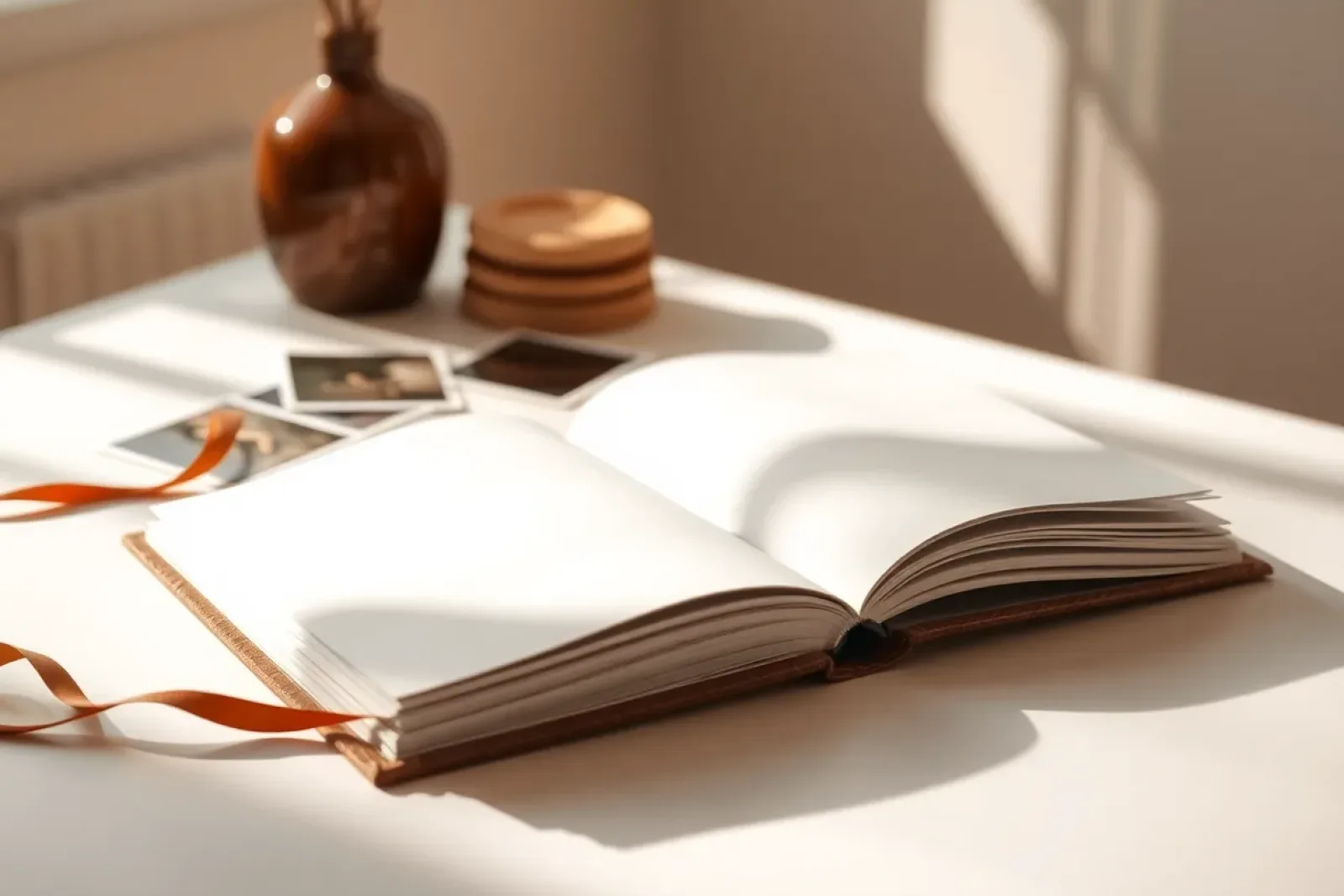
- Layflat album, sometimes called a flatbook or fine art album. Each spread is one sheet folded down the middle, and the sheets are joined at the fold. The book lies perfectly flat and an image can run the full width. Much more expensive, because much more of it is done by hand.
- Traditional slip-in album. Individual prints go into sleeves. It looks old-fashioned now, but it has a genuine advantage: pictures can be swapped and added later.
There is a fourth option that rarely gets mentioned and suits many couples best: a print portfolio. Instead of a bound book you get 20 to 30 loose prints on heavy paper in a folder or box. You can take one out, frame it, and put it back, and the collection grows with later occasions. It sits between the other two on price. The drawback is that it imposes no order, so it tells the story of the day less well than a book does.
A printed book is the only form in which wedding photographs get looked at again without anyone deciding to.
2. Matching page count to the number of pictures
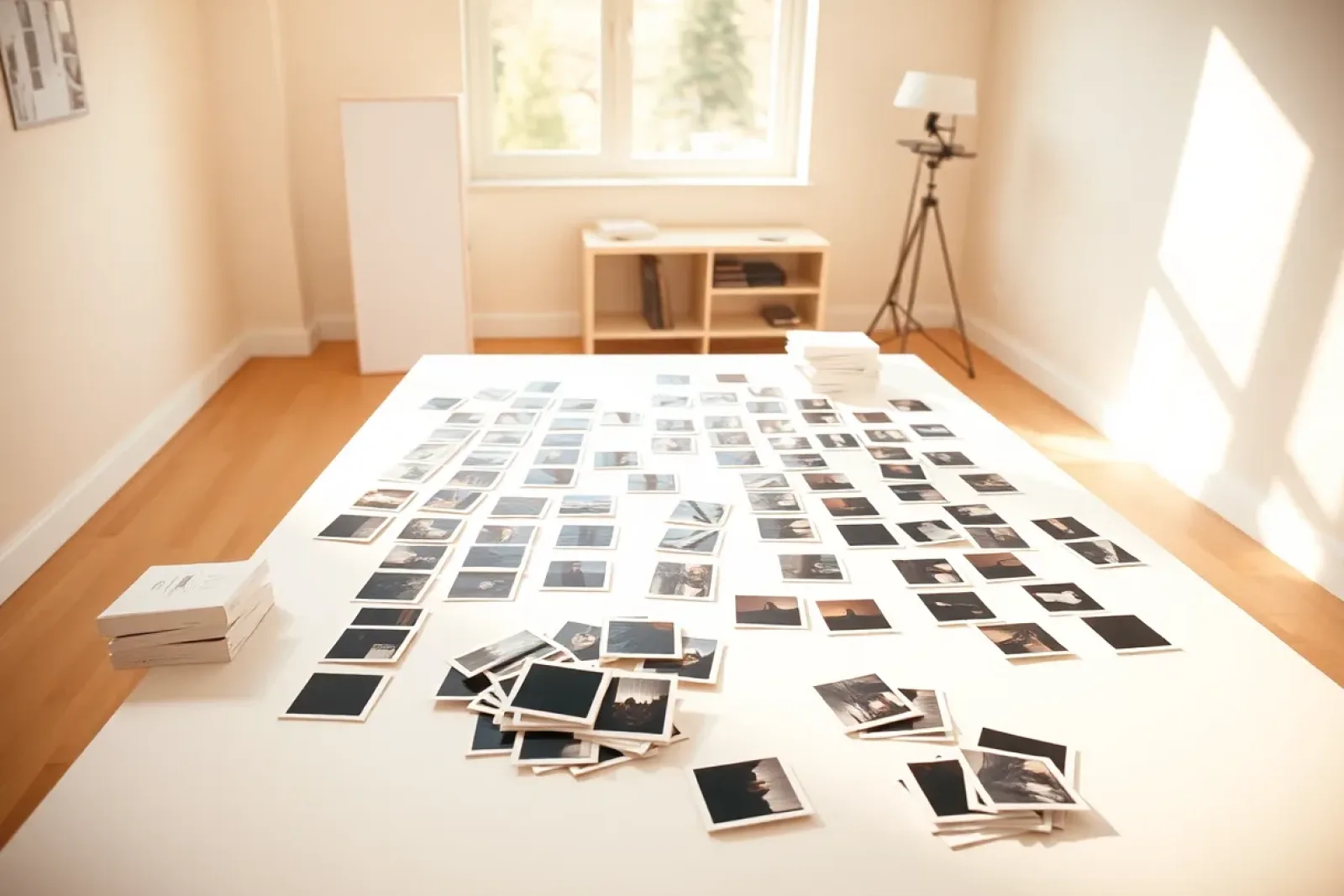
The most common planning error is forcing too many images into too few pages. A workable rule: one to three pictures per page. Beyond that it starts to look like a contact sheet.
| Images selected | Sensible page count | Product that fits |
|---|---|---|
| 30 to 45 | 24 to 30 pages | small layflat album |
| 60 to 90 | 40 to 60 pages | digital press book, A4 landscape |
| 100 to 140 | 70 to 90 pages | digital press, larger format |
| 20 to 30, for parents | 20 to 24 pages | small photo book |
An album of 30 pages carrying 40 pictures feels calm and considered. The same album carrying 120 feels rushed, and nobody opens it twice. If you cannot decide, make a small strict album for yourselves and a fat cheap book for completeness.
Check the aspect ratio while you are choosing a format. Most cameras deliver 3:2, while many book formats are 4:3 or square. Ignore that and you get either white margins or cropped pictures. Square books look good on a shelf and suit wedding photographs poorly, because something is missing from the left and right of every frame. Landscape A4 or larger is the least intrusive choice for 3:2 files.
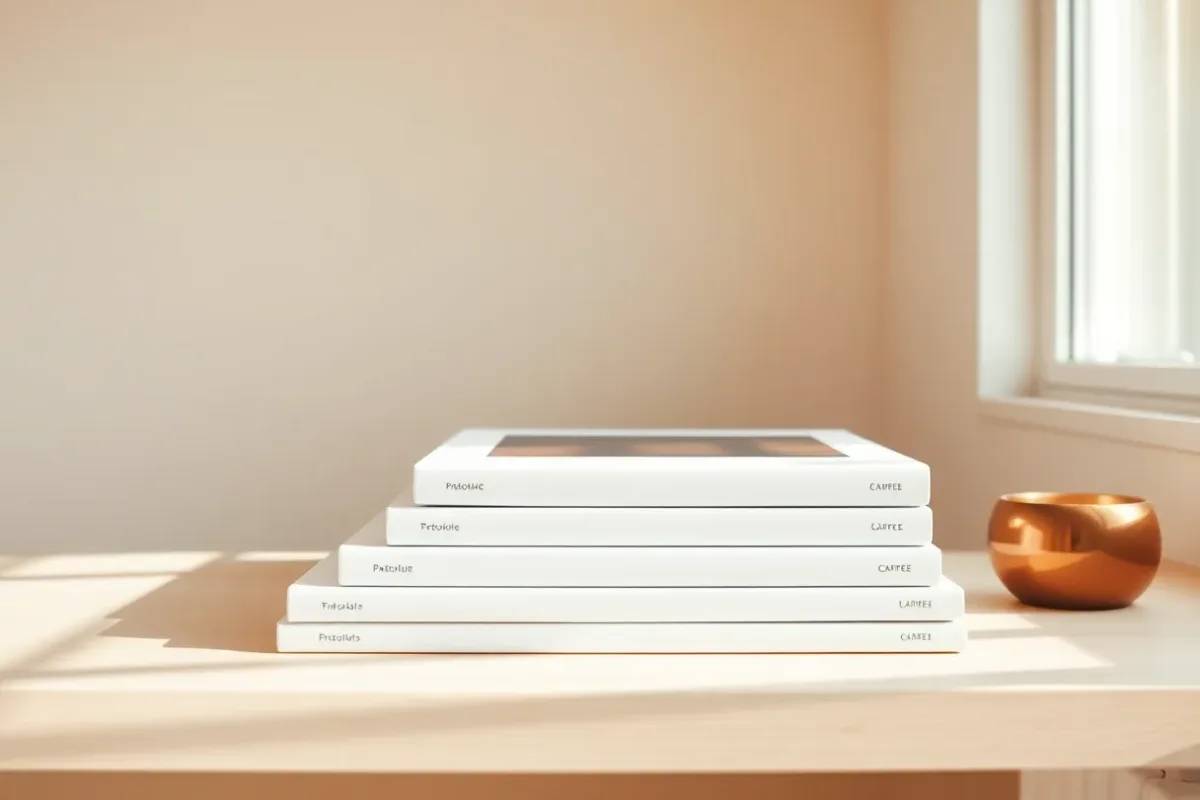
3. Paper: what to look for and what to ignore
Paper is where books diverge after ten years, and it is the thing order forms explain worst.
- Weight. Below 150 gsm the picture on the reverse shows through. For a photo book, 170 to 250 gsm is a good range. Layflat albums are far heavier because two sheets are bonded together.
- Finish. Gloss looks more contrasty but shows every fingerprint and reflects as you turn pages. Matt or silk is the safe choice, especially for bright, airy wedding pictures.
- Acid-free and lignin-free. This is the durability criterion that actually matters. Acidic paper yellows and turns brittle. Good suppliers state it in the product description; if it is absent, that is your answer.
- Cover. Linen and leatherette handle wear better than a printed photo hardcover, where the lamination lifts at the corners.
One thing that surprises most people: colours print slightly darker and less saturated than they look on a bright screen. If your pictures are high-key and airy, ask the supplier for a proof or at least for a colour profile. A single test page costs very little and stops an expensive album arriving too dark.
Ask, too, whether the printing is genuine photographic paper or press-printed. Neither is wrong — photographic paper has more depth in the blacks, press printing handles fine text better and is cheaper at scale — but they look different side by side, which matters if you are ordering an album now and matching books later.
Related articles
4. Layout: the four mistakes you notice afterwards
With a press book you design it yourselves, and the same things go wrong every time.
- Images across the gutter. A face sitting exactly in the middle of a spread disappears into the fold, and in a glued book there is no recovering it. Keep anything important on one half of the spread.
- Not enough margin. Trimming loses one to three millimetres from every edge. Anything designed edge-to-edge prints edge-to-edge, cutting off feet, veils and captions in the process.
- Too many pictures per page. Four images on a page is an overview, not an album. A single large picture is stronger in almost every case.
- No ordering principle. Chronological is nearly always right, because it tells the story of the day. Grouping by subject only works if you carry it through consistently.
Deliberate pauses help as well: a blank page, or a page with one small image, gives the eye somewhere to rest and lets the strong pictures work. Fill every surface and you make a book that is tiring to look at.
If your photographer offers an album, they will usually design the layout and send a draft for approval. Ask in advance how many revision rounds are included — one is standard, and each further round is charged; it belongs with the other questions to settle before you book a photographer.

5. When to order, and what to keep afterwards
There are two realistic timings. Either you make the book within the first three months, while the memory is fresh and the motivation is there, or you do not make it at all. After a year the probability that a couple opens the folder again is low. That sounds blunt and it matches what photographers report.
Practically, that means booking the time in the same way you booked the selection session. Two evenings is enough for a press book once the images are chosen.
Do not forget what your guests photographed. Those pictures show angles no booked camera has, and they are missing from almost every album. If you ran a wedding website with a shared gallery, they are already in one place and worth a look before you start laying out.
Two things to keep afterwards. First, export a PDF of your finished design and store it alongside the image files — suppliers retire old projects after a few years, and without it a reprint in 2035 means rebuilding the whole book. Second, if you need several copies, order them in one go: reorders usually cost more than second and third copies on the same order, and paper batches can differ very slightly in colour between runs. Nobody notices that in a gift book; you will notice it in two identical albums side by side.
The decision comes down to one question. If you want a book you will still open in thirty years, with images that can run the full width of a spread, choose a layflat album. If you want to show a lot of pictures and give copies away, choose press printing and put the saving into a larger format. The next sensible step is to finish the image selection before you open a single supplier website.
All things wedding
Plan your wedding
Bring your tasks, costs and guests together for the day.
Invitations and wording
Find the right words for your wedding invitation.
As a wedding guest
Write a personal message and choose a thoughtful gift.
Wedding anniversaries
Explore anniversary names, traditions and celebration ideas.
Planning your dream wedding?
Create your own wedding website in minutes – with RSVP function, photo gallery, and more.