Allow one portion of 100 to 125 grams per guest, or 1.25 portions if the cake is also dessert. A three-tier cake of 15, 23 and 30 centimetres gives roughly 60 to 80 slices. Buttercream survives a warm room far better than fresh cream. Book a tasting three to four months ahead.
Choosing a wedding cake gets discussed as a question of flavour and decided by three numbers: portions, temperature and price per slice. Settle those three and you can then choose whatever you like the taste of, with no risk of anything going wrong on the day.
What usually causes trouble is not the wrong flavour. It is a cake that turns out too small, stands in the sun for six hours or travels in an unrefrigerated car. All three are avoidable with questions asked in advance. They are unglamorous questions, they take twenty minutes in total, and they protect the one moment of the day that cannot be repeated.
1. How big the cake actually needs to be
A wedding cake portion weighs 100 to 125 grams. That is a narrow finger slice served with coffee, not a Sunday afternoon wedge, and every cake maker calculates tier sizes backwards from it. Knowing the figure lets you check a quote instead of taking it on trust.
The quantity rule is simple. If there is a dessert course or a sweet table as well, one portion per guest is enough. If the cake is the only sweet thing on offer, plan 1.25 portions. For a hundred guests that means either a hundred or roughly a hundred and twenty-five slices. Count children in full even though they eat less, because other guests come back for seconds and the two effects cancel out.
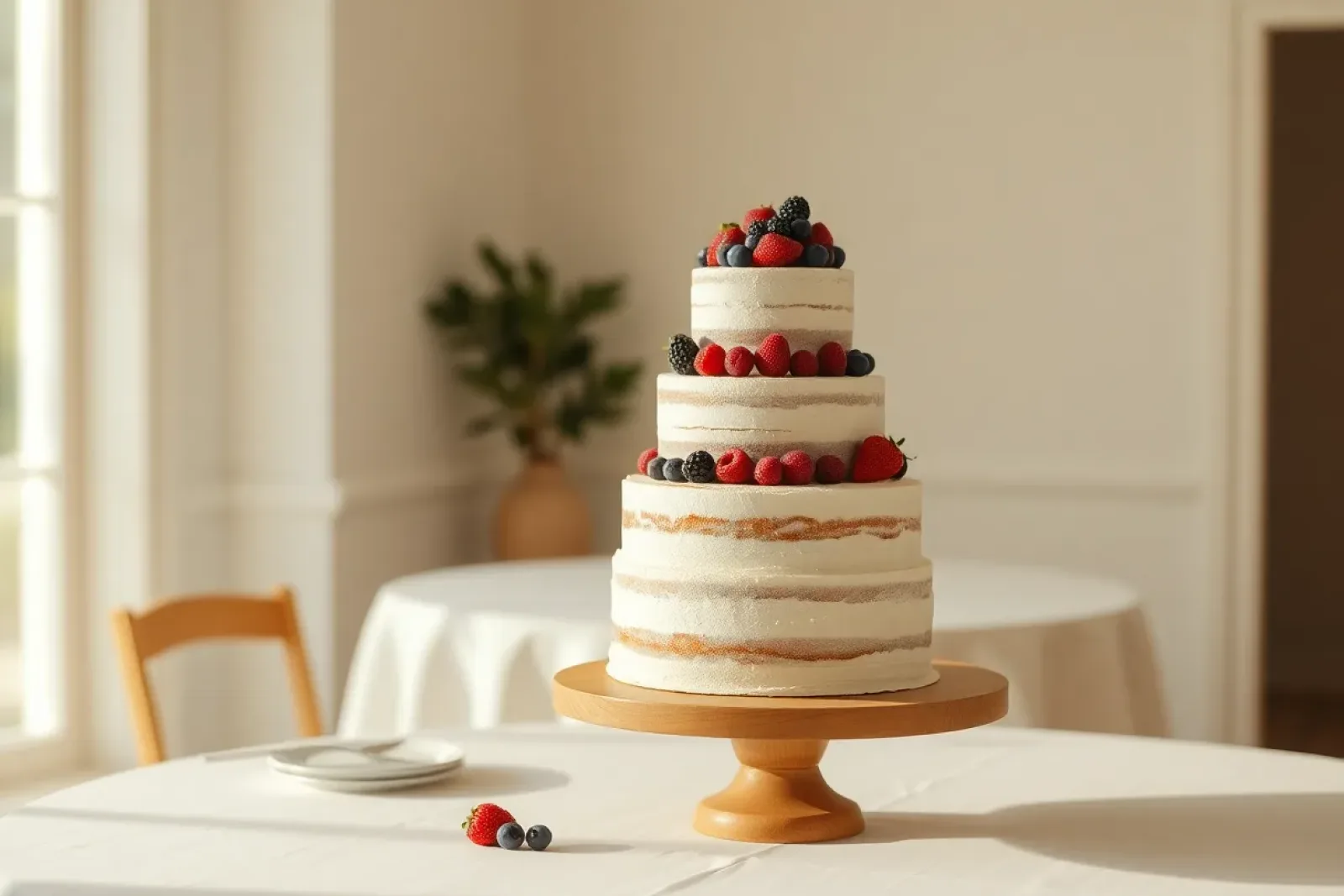
The classic three-tier cake at 15, 23 and 30 centimetres in diameter yields around 60 to 80 portions, depending on how deep the tiers are. For a hundred guests that is short. The usual answer is not a fourth tier but a plain cutting cake kept in the kitchen, which nobody ever sees. It costs far less per portion than a decorated tier and is simply served alongside.
Height follows from the same arithmetic. Three tiers can look surprisingly small on a table in a large room, while four tiers need a sturdy board and internal dowels. From three tiers upwards, cake makers use plastic or wooden supports that have to come out before the cake is cut, so ask which tier is meant to be cut first. That single question prevents the moment where a couple presses a knife onto a hidden support.
A wedding cake rarely fails on flavour. It fails on size, on heat or in transit.
2. Filling, temperature and summer
The second question is how warm the day will be and how long the cake will stand in the room. A cake set up at 3pm and cut at 9pm stands for six hours. At 22 degrees indoors, that is too long for some fillings, and the failure is not subtle when it comes.
The table below ranks the common options by how much standing time they tolerate. It does not replace a conversation with your cake maker, but it makes that conversation much shorter.
| Option | Stands unrefrigerated | What it suits |
|---|---|---|
| Fresh cream | 1 to 2 hours | Winter weddings, or a cake delivered shortly before |
| Buttercream | 4 to 6 hours | The standard choice for a summer wedding indoors |
| Ganache | 4 to 6 hours | Dark cakes, very stable underneath fondant |
| Fondant covering | a full day | Smooth finish, and it shields the filling as well |
| Naked cake | 3 to 4 hours | Rustic look, but the exposed edges dry out |
| Fresh fruit | 2 to 3 hours | Only with cold storage until shortly beforehand |
Ask the venue for a chilled room in advance. Many have one and do not mention it unless asked. If there is none, the decision effectively narrows to buttercream or ganache regardless of what you preferred at the tasting, which is worth knowing before the tasting rather than after it.
3. Fondant, naked or buttercream
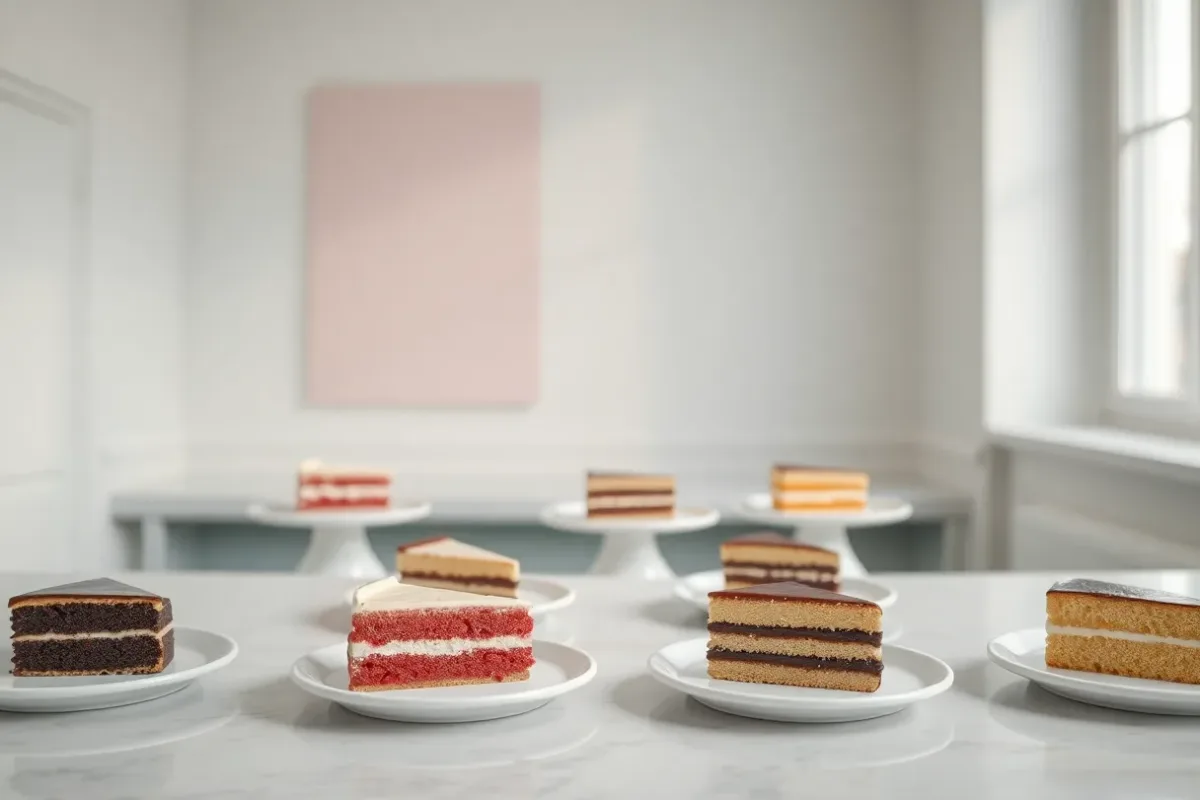
The three common finishes differ less in price than in the work they take, which of course ends up in the price anyway. Fondant gives the smoothest finish and is the most robust, but a good share of guests peel it off and leave it on the plate. If you choose fondant, choose the filling underneath with particular care, because that is what people will actually eat.
A naked cake, with the sponge visible at the sides, looks lighter and has a short standing time. Without a coating the edges dry out visibly after about three hours. If the cake has to stand longer, a semi-naked finish with a thin film of cream is the safer version at nearly identical visual effect.
Smooth buttercream sits between the two: edible, stable and available in any colour. It is currently the most common choice at British weddings for exactly that reason. Fresh flowers work with all three finishes, but only unsprayed varieties confirmed by the florist as safe for food contact, with the stems in small tubes rather than pushed into the cake.
Colour deserves a sober look. Strong shades need a great deal of colouring, which changes the taste of buttercream noticeably, especially with red and black. Pastels, natural white and decoration through flowers, fruit or chocolate reach the same visual goal without that side effect. If a strong colour is non-negotiable, use it as a narrow band rather than across a whole tier.
Related articles
4. What a wedding cake costs
Cake makers price per portion rather than per cake, which makes quotes comparable once you know your portion count. A simple, well-made cake typically runs a few dollars a slice; heavily decorated designs with modelled elements, sugar flowers or a different flavour in every tier run to several times that. For a hundred portions the spread between the two is easily a factor of two or three.
Three extras get overlooked with some regularity, which puts them among the wedding costs couples almost always miss: delivery and set-up on site, the rental charge for a stand or cake plate, and a cutting fee that many venues apply when the cake does not come from their own kitchen, commonly charged per slice rather than as one flat sum. Ask about all three in writing before you accept a quote, because all three are normal and none of them is usually volunteered.
The most dependable saving is the hidden cutting cake from the first section: a small decorated cake for the moment itself, plain slab cakes in the kitchen for everybody else. Visually nothing changes, and the kitchen portions often cost around half. To order the right quantity you need a firm guest number in good time, which is easiest when replies are collected in one place, such as on your wedding website where guests confirm their attendance.
5. Tasting, ordering and delivery
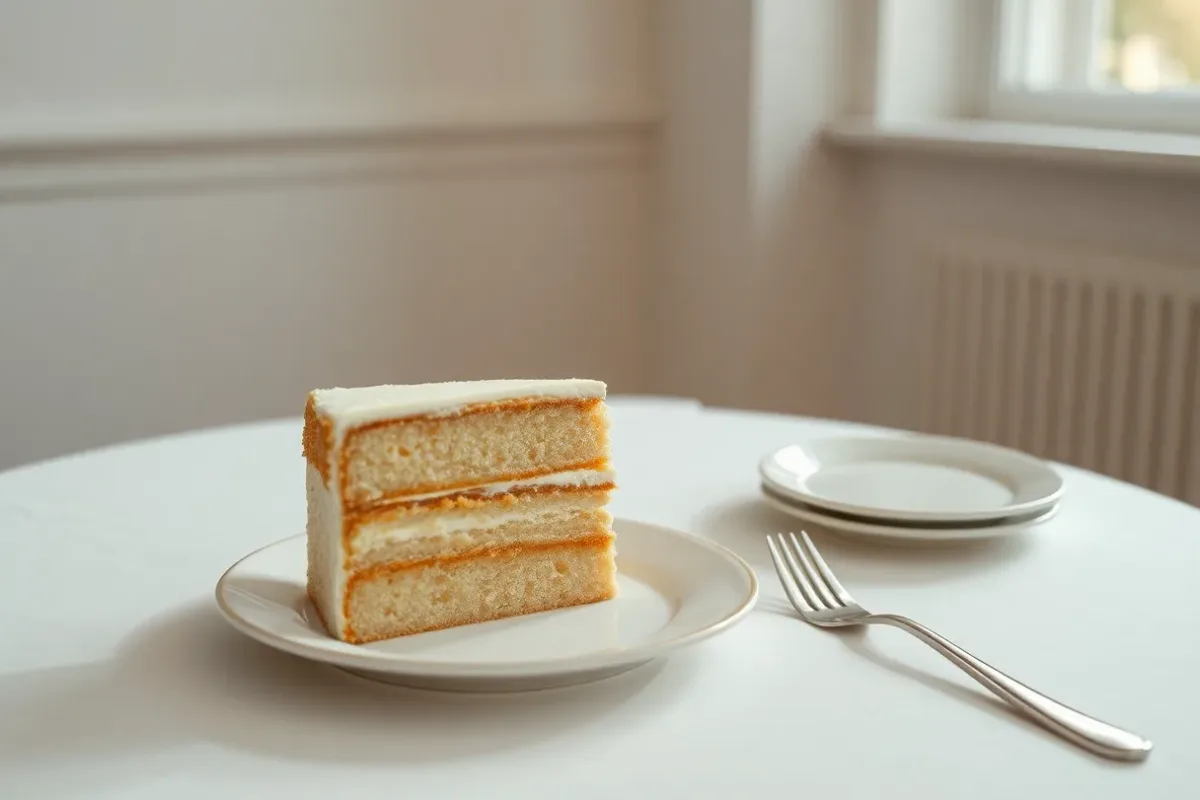
Good cake makers are booked three to six months ahead for Saturdays in season. Aim for a tasting three to four months before the wedding, and take two things with you: a photograph of your flowers or table setting, and a rough guest number. Both influence the recommendation more than any collection of saved images.
Do not taste more than four flavours at one sitting. From the fifth onwards everything tastes the same, which is not a saying but the practical experience of every bakery. Write down your ranking immediately, before you start discussing it, and agree a fallback flavour in case an ingredient is unavailable in your month.
Settle three delivery points in writing: arrival time, who receives the cake, and where it stands until it is cut. A cake delivered at 11am while everybody is at the ceremony otherwise stands for ten hours in a warm foyer. Delivery one to two hours before the drinks reception, with a named person on site, is the arrangement that goes wrong least often.
Tiered cakes are almost always assembled at the venue rather than at the bakery, because a stacked cake rarely survives a roundabout. That means somebody needs floor space, a level table and ten quiet minutes on site. Mention it to the venue when you book, not on the morning.
The cake is settled once three numbers are: portions against guest count, filling against room temperature, price against the level of decoration. Everything after that is taste, and nobody can tell you what yours should be. The next sensible step is a phone call to two local cake makers with one question: is your date still free at all?
All things wedding
Plan your wedding
Bring your tasks, costs and guests together for the day.
Invitations and wording
Find the right words for your wedding invitation.
As a wedding guest
Write a personal message and choose a thoughtful gift.
Wedding anniversaries
Explore anniversary names, traditions and celebration ideas.
Planning your dream wedding?
Create your own wedding website in minutes – with RSVP function, photo gallery, and more.