Two to three hours between the ceremony and dinner is normal; beyond three, guests start to flag. Family photos take 30 to 45 minutes and your own portraits another 30 to 60. Fill the rest with a drink in hand, shade or warmth, and seating for a third of your guests.
The gap is not a planning failure. Someone has to take the photographs, the kitchen has to plate, and the room often has to be flipped from rows of chairs to round tables. So the question is never whether there will be a gap, only how long it runs and whether it feels like an interval or a wait.
The distance between those two feelings is surprisingly small: something to hold, somewhere to sit, and a clear idea of when the next thing happens. Take away any one of them and an elegant hour in the afternoon turns into standing around checking the time, no matter how beautiful the setting is.
1. How long the gap can reasonably run
Ninety minutes feels brisk. Two hours is comfortable. Three is workable if it is properly hosted. Beyond three and a half, most guests are tired, and the ones who travelled furthest are the ones who fade first. The reason is simple: the emotional peak has just passed, many people have been up and dressed since early morning, and the next fixed moment is a long way off.
The length is rarely a matter of preference. It falls out of two hard constraints — the photography and the turnaround of the room. Both can be shortened, but only deliberately. Group photographs run at three to five minutes per grouping, so a list of twelve combinations reaches forty-five minutes without anyone dawdling. Cut the list of shots you want to six and you halve the block outright.
Light is the other lever. If you want your portraits in the last hour before sunset, that hour is set by the calendar rather than by you, and it moves by weeks across the season. In high summer it usually falls long after dinner has started, which means slipping away later for twenty minutes rather than stretching the afternoon. In autumn it lands squarely inside the gap and shortens it for you.
Guests will wait happily for a long time, as long as they know what for and have a glass in hand.
2. What actually happens in those hours
The table below is written as time elapsed since the end of the ceremony rather than as clock times, so you can lay it over your own start whether you marry at eleven or at four.
| Time after the ceremony | What is happening | What it depends on |
|---|---|---|
| 0–20 minutes | Congratulations, confetti, the first wave of hugs | Drinks must already be poured before the first guest is outside |
| 20–60 minutes | Group photographs from your list | Someone other than the photographer calls the names; three to five minutes per group |
| 60–90 minutes | Drinks reception, guests explore the venue | Seating for anyone older or in heels, and a bar with no line |
| 90–120 minutes | Canapes or something more substantial | Dinner may still be hours away; light bites alone will not carry the afternoon |
| 120–150 minutes | Your portraits, away from the guests | Announce how long you will be gone or someone will come looking |
| 150–180 minutes | Room turnaround finished, guests find their seats | A clear signal is needed: a bell, a change of music, someone asking |
| Beyond 180 minutes | Only workable with a genuine change of location | Without a purpose of its own, the party splinters into small groups |
Notice how little of this involves you. For roughly half of the window you are not with your guests at all, which is precisely why the gap has to work without you. Anything that needs the two of you present belongs somewhere else in the day.
3. What guests actually need
The list is short and still gets missed, because none of it is decorative. These are basic comforts, and they decide whether your guests are still awake at ten in the evening.
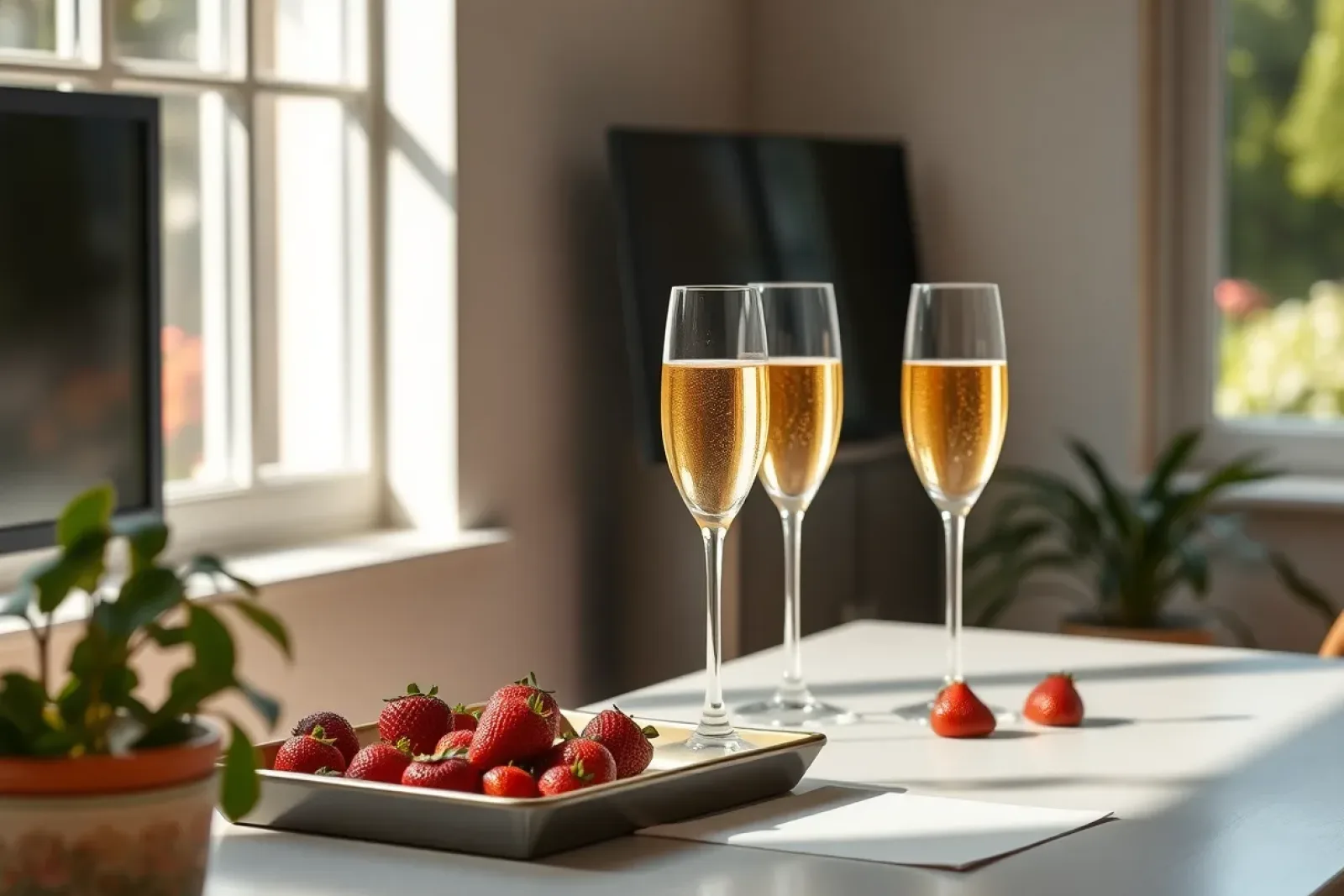
- A drink with no queue: water counts as much as sparkling wine. A tray at the door does more than a beautiful bar ten metres away.
- Shade or warmth: above roughly 28 degrees Celsius an unshaded lawn becomes unusable, and below about 12 degrees an open courtyard needs heaters.
- Seating for a third of your guests: not everyone wants to stand, and nobody will say so.
- Restrooms people can find: one sign saves a hundred questions.
- A stated next step: one sentence does it — dinner is at six.
- Somewhere for children: two hours of standing around is a very long time when you are six.
If you only manage one of these, make it the drink in the first minute. The moment straight after the ceremony is the only point in the day when every guest is in one place with nothing to do. Catch that moment and the rest of the gap is already half solved. In practice that means trays poured and waiting before the ceremony ends, and one person whose job is to carry them out without being asked. If the drinks are a hundred metres from where you marry, that walk is where the first bottleneck of the day forms.
Related articles
4. When the gap is unavoidably long
Sometimes the time cannot be compressed. The church has one available slot in the early afternoon, the venue does not release the room until five, or thirty miles sit between the two. In that case stop treating the interval as dead time and give it its own identity: a place of its own, an idea of its own, and a clear beginning and end.
That might be tea somewhere nearby, a walk to a viewpoint, or simply an announced pause during which guests are free to return to their hotels. The last option is rarely said out loud and works remarkably well when it is clearly framed. People who know they are allowed two hours off do not experience the time as neglect; people left guessing do.
Either way, the fix is information given in advance. Guests who know in the morning that there is a break between two and half past four dress for it and plan around it. The easiest place for that, with addresses and times attached, is your wedding website, because it is also where the people who forgot the running order can check without asking you. Always give two things: the time the next part begins and a place to meet. That is enough, and it stops the same question being asked forty times.
5. Filling it without staging a second event
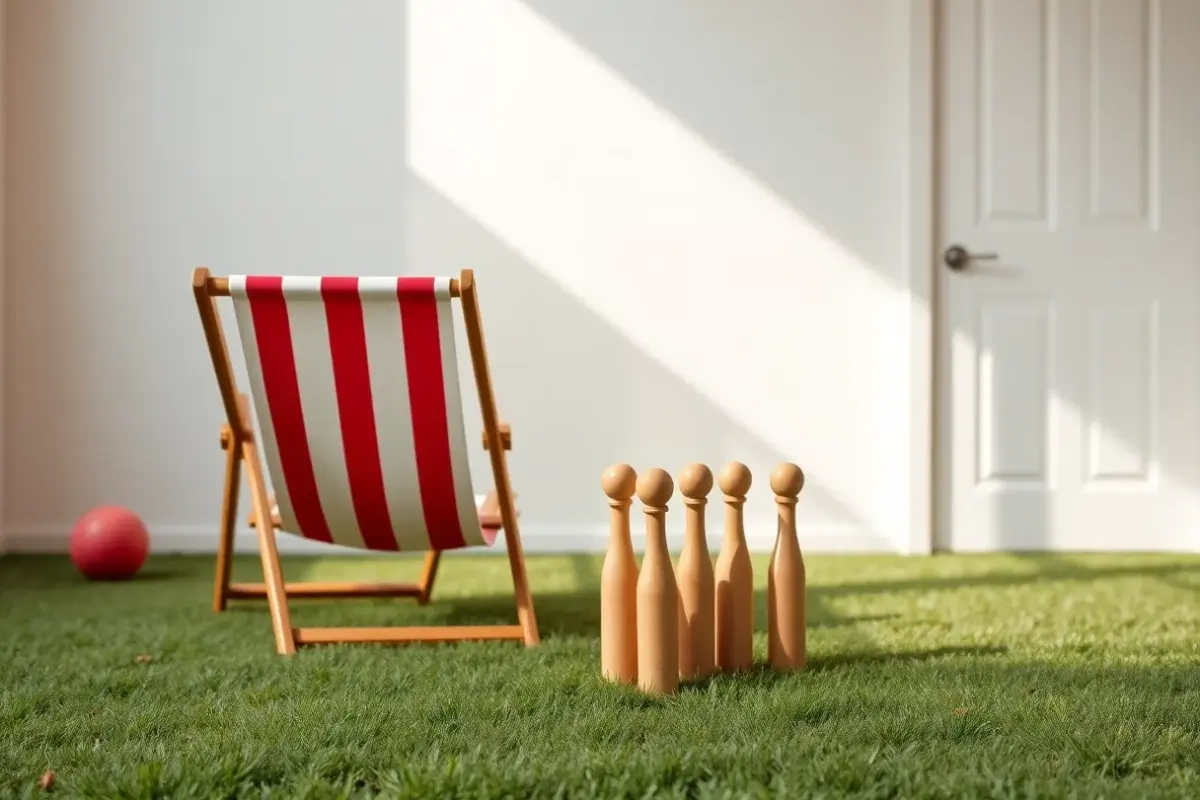
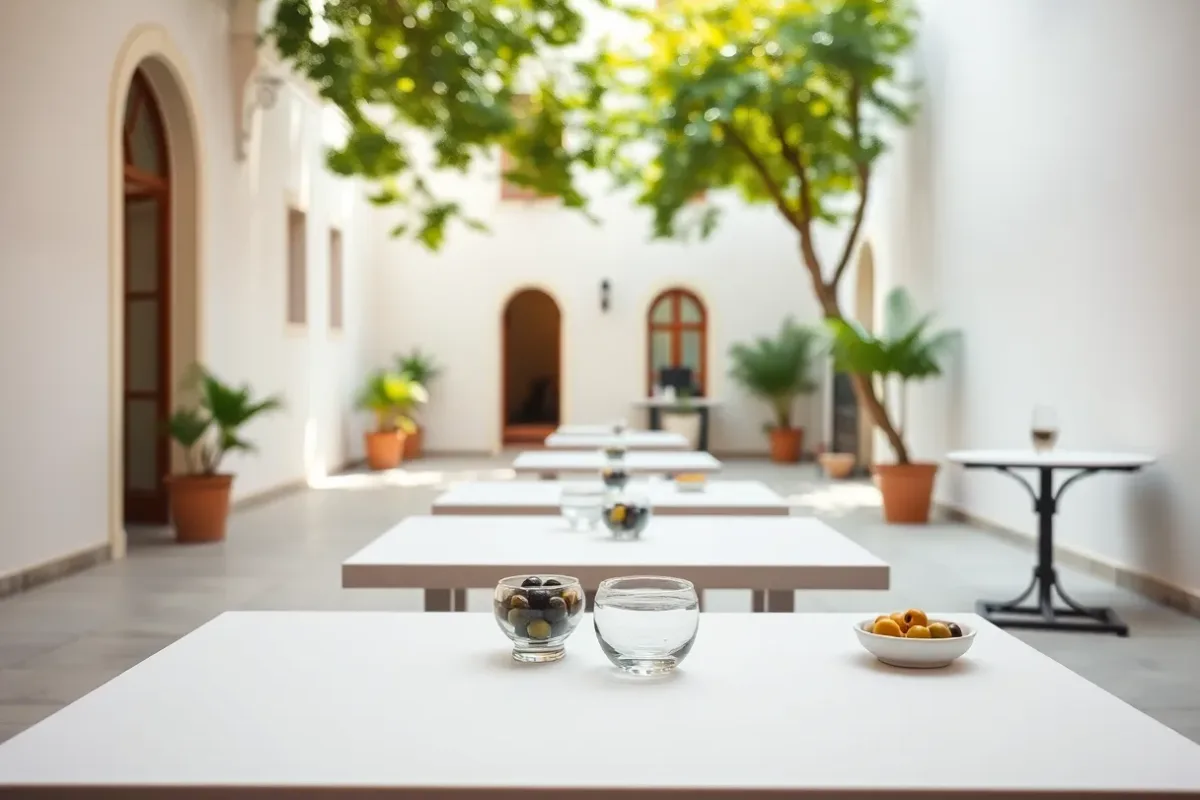
You do not need a host, a microphone or a programme. What carries this part of the day are things that run by themselves and that people can join and leave at will: a drinks station where conversations start, a shaded bench, music at a level that allows talking, lawn games, a table of photographs from your years together. Anything a guest can begin on their own beats anything that has to be announced.
Group photographs make a useful metronome. If people know roughly when their grouping is called, the first hour has a shape without looking like a schedule. Appoint someone to gather the groups and read the names aloud — the least glamorous and most effective job of the afternoon, and one that should not fall to the photographer.
What you can safely skip is anything requiring your attention. Speeches, games and formal moments work far better once everyone is seated and nobody is holding a glass and a handbag. The gap tolerates occupation; it does not tolerate a second climax. One last word on music: it matters more here than people expect. An afternoon with no sound feels instantly like a wait between appointments, and nobody speaks above a murmur. A playlist will do, as long as it is running before the first guest arrives.
Take your ceremony time, add the honest length of your photo list and the room turnaround, and see what is left over. If more than an hour has nothing in it, decide now what happens there rather than discovering it on the day. A drink, a seat and a clearly announced dinner time solve most of what goes wrong in this part of a wedding.
All things wedding
Plan your wedding
Bring your tasks, costs and guests together for the day.
Invitations and wording
Find the right words for your wedding invitation.
As a wedding guest
Write a personal message and choose a thoughtful gift.
Wedding anniversaries
Explore anniversary names, traditions and celebration ideas.
Planning your dream wedding?
Create your own wedding website in minutes – with RSVP function, photo gallery, and more.