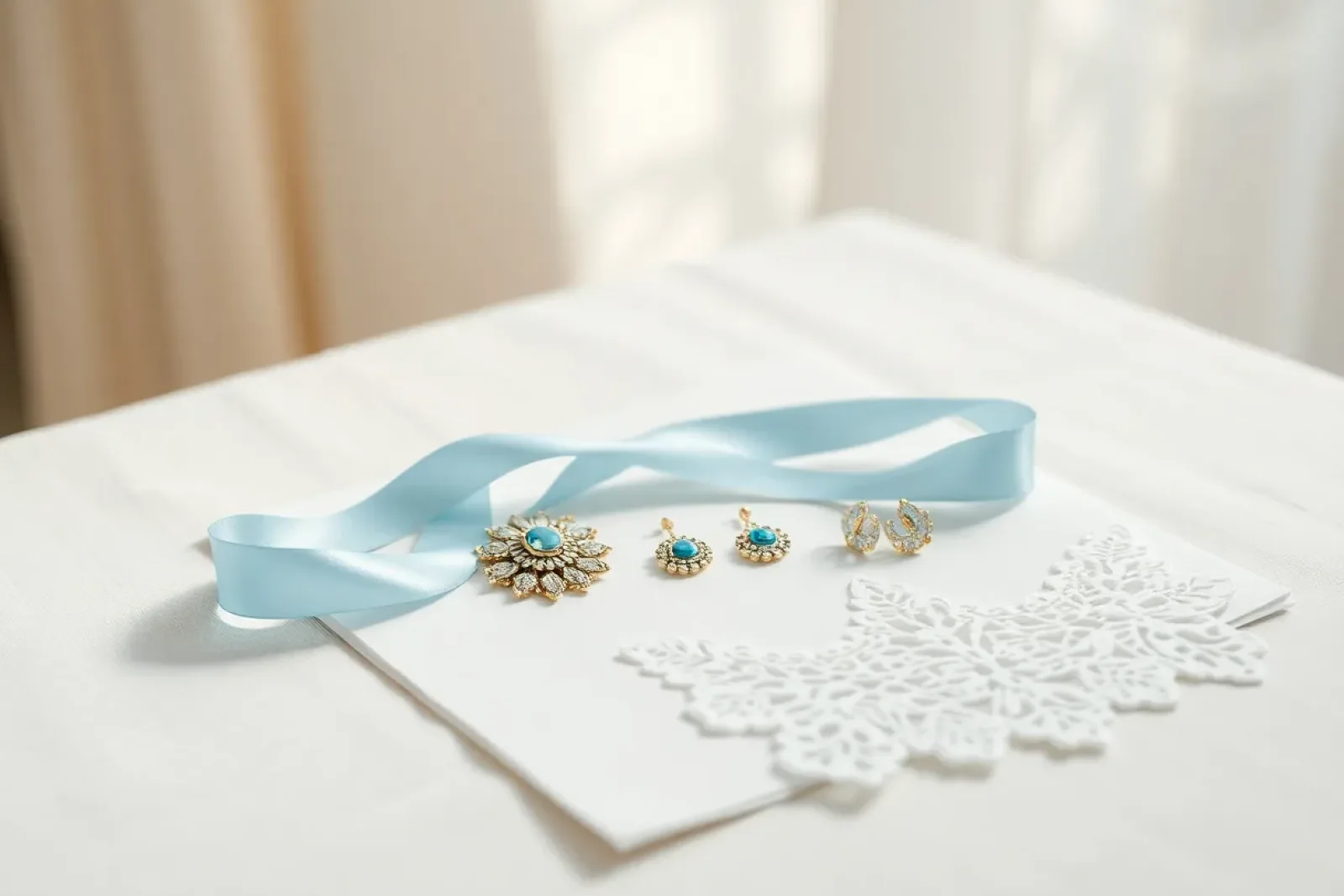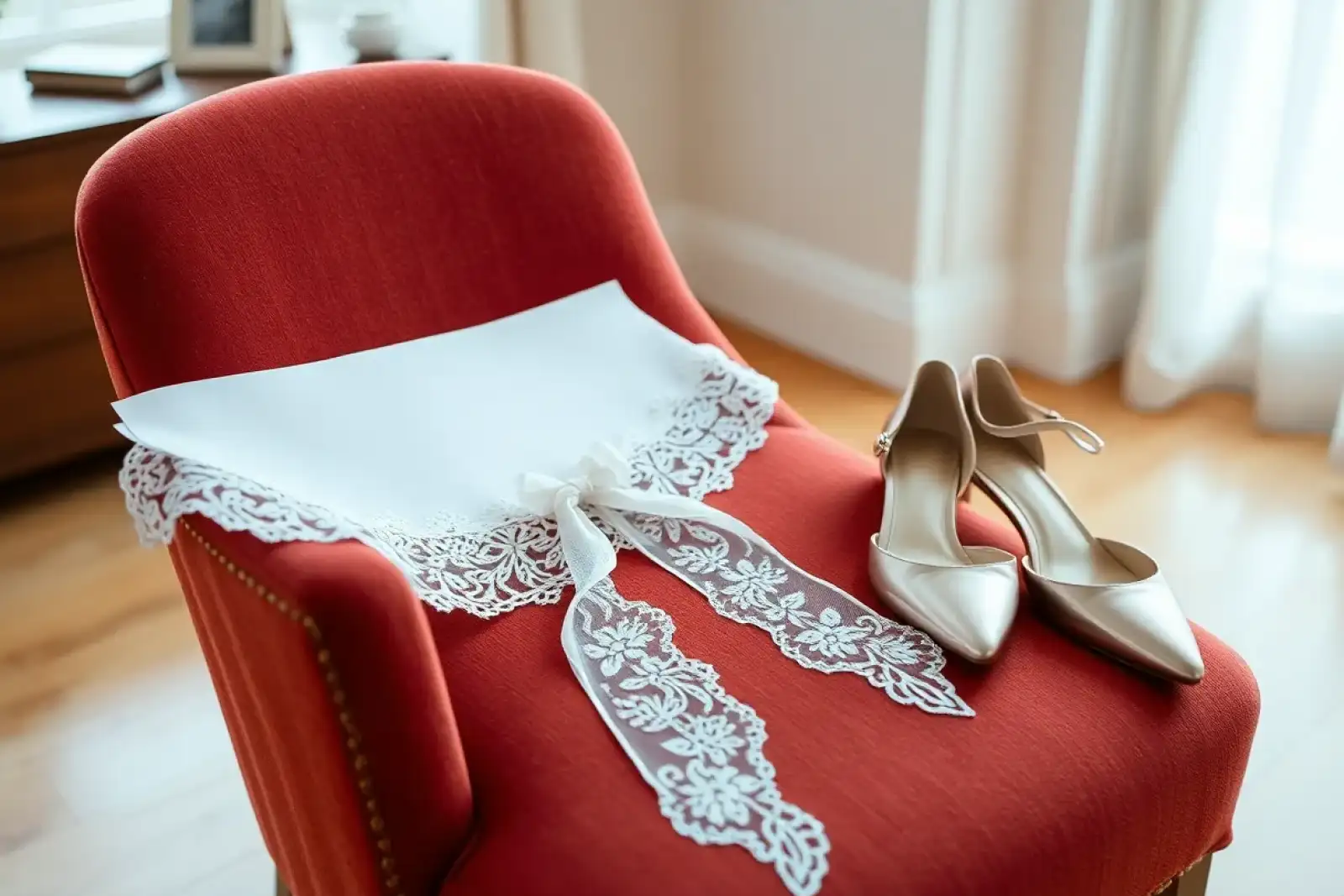
The garter toss has one partner remove a garter from the other's leg in front of the guests and throw it to the unmarried men, mirroring the bouquet toss. It is largely an American custom, is in clear decline, and is entirely optional. Many couples now skip it or replace it.
This is the wedding tradition that most reliably divides a room, and the split is not generational so much as situational: it depends almost entirely on who is watching.
The article below sets out where the custom comes from, how it is normally staged, the specific reasons couples drop it, and what goes in its place. As with any custom, knowing what it means is what allows you to decide, and plenty of people search for this precisely because they want to leave it out and would like to know what they are leaving out.
1. Where it comes from
The usual account traces it to a medieval English and French belief that a piece of the bride's clothing carried luck, so guests would attempt to take one. Stories describe guests following the couple to the bedchamber and tearing at the dress, with the garter thrown out to satisfy them.
Some version of this is widely repeated, and there are references to fights over bridal garters and to a custom of flinging the stocking in early modern accounts. How directly the modern toss descends from any of it is much less certain, so it is best described as often said to originate there rather than as documented fact.
What is clear is that the modern staged form is twentieth-century and largely American, and that it was shaped by the same forces as the bouquet toss: a reception with a dance floor, a DJ with a microphone and a photographer looking for movement.
Its distribution reflects that. It is common at weddings in the United States, occasional in Canada, uncommon in Britain and Ireland, and largely unknown in most of continental Europe.
Every objection to the garter toss is really the same objection: the audience. The same gesture in private troubles nobody.
2. How it is normally run
If you keep it, the staging is what determines whether it is fun or excruciating. The standard sequence:
- After the bouquet toss, usually immediately.
- The bride sits on a chair on the dance floor.
- The garter is removed, by hand or, in the version most people are thinking of, with teeth.
- The unmarried men are called up.
- It is thrown over the shoulder.
- In some versions the catcher then places the garter on the leg of whoever caught the bouquet.
That last step is where most of the discomfort concentrates, because it involves two guests who did not volunteer for it and may not know each other. Dropping that step alone removes a large part of the objection.
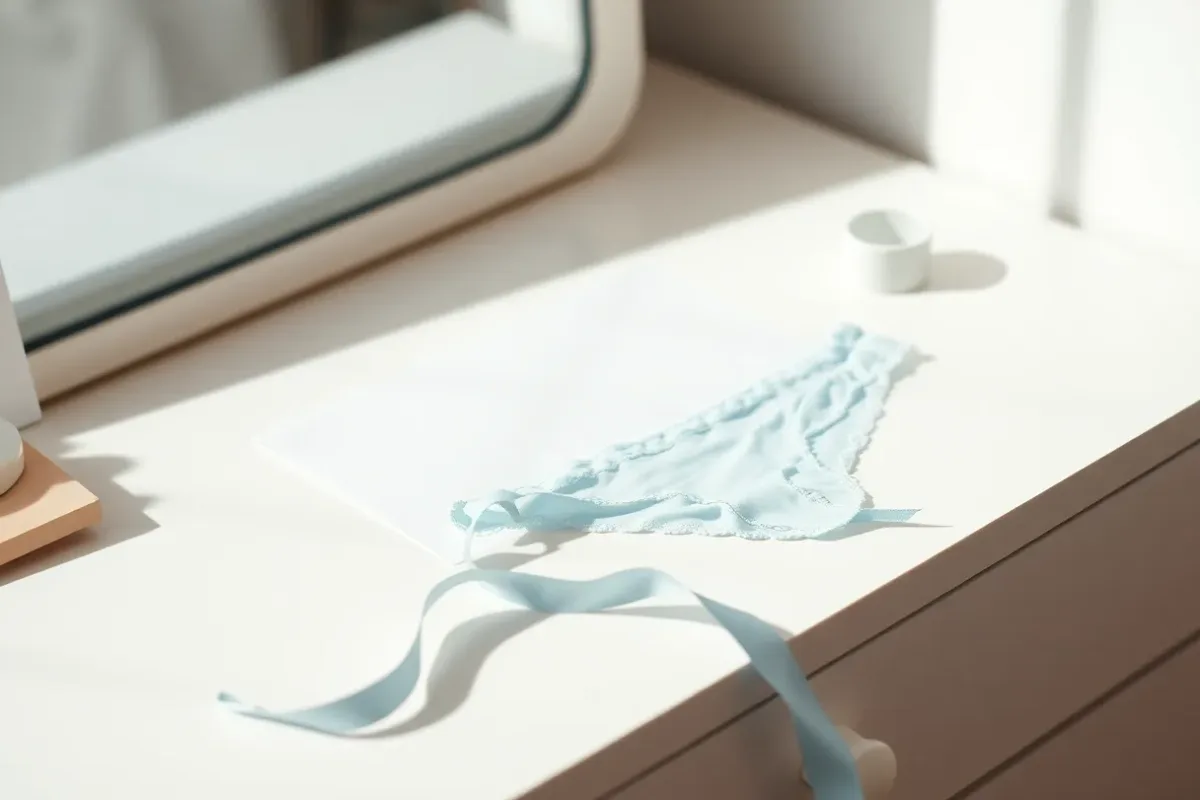
Practical notes if you are doing it. Wear two garters, one for the toss and one to keep, at roughly 15 to 40 dollars each. Wear the throwing one lower on the leg. And brief the DJ, because the music choice at this moment is what tips it from a joke into a leer.
3. Why couples drop it
The reasons given are specific and practical rather than squeamish.
- The audience. Removing an item of clothing from under a dress in front of grandparents, colleagues and children is a different act from doing it in private, and no amount of framing changes that.
- It singles out guests. Both the sorting of unmarried men and the pairing of two strangers afterwards are impositions on people who came to have dinner.
- Children are present. At most weddings, and this is the moment parents most often mention afterwards.
- It reads as ownership. The historical roots are about the bride as a prize, and that is legible in the staging even to guests who know nothing about the history.
- It kills the dance floor. Ten minutes of staged activity in the middle of the evening is hard to recover from.
Against that, at a young guest list where everybody knows each other and the room is in the mood, it can be genuinely funny and is over in five minutes.
The useful test is the same one that applies to the bouquet toss: picture the specific people who would be standing on that floor at your wedding, and the specific people who would be watching. If the answer makes you wince, that is the decision made.
Related articles
4. What to do instead
Most alternatives keep the idea of a shared moment on the dance floor and drop the removal.
| Alternative | What happens | Why it works |
|---|---|---|
| Remove it privately | Keep the garter, skip the public element entirely | The tradition without the audience |
| Anniversary dance | Couples leave the floor by years married until one remains | Involves everyone, singles out nobody |
| Shoe game | The couple sit back to back and answer questions with shoes | Funny, participatory, no clothing involved |
| A group toast | One short toast to the couple instead | Two minutes, then back to dancing |
| Give something away | Hand the garter or the bouquet to a specific person | Keeps the object, drops the scramble |
| Nothing | Keep the music going | Nobody has ever noticed its absence |
The shoe game has largely taken the slot in the running order that the garter toss used to occupy, and for a reason: it puts the couple at the centre rather than the guests, it takes about eight minutes, and it produces the reaction the tradition was aiming for.

5. Telling people, and the running order
You do not need to announce that you are skipping it. Nobody notices an absent tradition. Two people do need to know:
- The DJ or band, who will otherwise have it in the running sheet and will announce it.
- The photographer, who plans the evening around a small number of set pieces.
If you are keeping it, brief the same two people on the version you want, particularly whether the teeth are involved and whether the pairing at the end is happening. Left unbriefed, a DJ will run the version they always run.
Think about placement too. The garter toss, the bouquet toss, the cake and the first dance all sit in the same crowded hour, and stacking them means an hour in which nobody dances. Spreading them across the evening, or cutting two of the four, is what keeps a dance floor alive.
One last thought for anyone under pressure from family or a wedding party to include it. This is not a tradition with any weight behind it; it is roughly as old as the recorded music it is danced to. Nobody in the room will remember its absence, and a small number of them will be quietly relieved. The people pushing for it are almost always pushing for the version they saw at somebody else's wedding, which is not an argument about your own. If you would rather sidestep the conversation entirely, simply leave it off the running order you publish on your wedding website and it will not come up.
Decide by looking at your actual room rather than at the tradition. If you keep it, use a second garter, cut the pairing at the end and brief the DJ on the tone. If you drop it, tell the band and the photographer and say nothing to anybody else, because an absent tradition is invisible.
All things wedding
Plan your wedding
Bring your tasks, costs and guests together for the day.
Invitations and wording
Find the right words for your wedding invitation.
As a wedding guest
Write a personal message and choose a thoughtful gift.
Wedding anniversaries
Explore anniversary names, traditions and celebration ideas.
Planning your dream wedding?
Create your own wedding website in minutes – with RSVP function, photo gallery, and more.