Most wedding traditions can be kept, changed or dropped without anyone noticing. The ones people most often replace are being given away, the head table, the receiving line, the bouquet and garter tosses and who gives the speeches. In each case there is a version that keeps the moment and loses the part that no longer fits.
Dropping a tradition outright is easy. What is harder, and what most couples actually want, is to keep the shape of a moment while changing what it says.
This article goes through the traditions that get replaced most often, explains what each was originally doing, and sets out the substitutes that have become common. It also covers the part nobody writes about: telling the family, and knowing which changes are genuinely invisible to guests.
1. The processional and giving away
The tradition, in its older form, transfers responsibility for the bride from one household to another. The wording in the historical service makes that explicit, which is why it is the first thing many couples change.
The replacements are all in ordinary use:
- Both parents walk with you. The most common substitute, and it changes almost nothing about the picture.
- You walk in together. Removes the reveal and removes the transfer at once. Increasingly chosen, particularly at civil and outdoor ceremonies.
- You walk in alone. Quietly powerful and requires no explanation.
- Somebody else entirely. A sibling, a child, a friend, a grandparent.
- Both families are asked for their support instead of one being asked to give someone away. This is now an authorised alternative in the Church of England service.
The point worth making to anyone hesitating is that guests cannot tell the difference between a father who was asked and a father who volunteered. What they see is the walk. The meaning is a private matter between the people involved, which is exactly why the change is easier than it feels.
Guests do not remember which traditions you kept. They remember whether the day sounded like you.
2. The reception set pieces
Six traditions account for most of the awkwardness in a modern reception, and each has a settled replacement.
| Tradition | What it was doing | Common replacement |
|---|---|---|
| Bouquet toss | Predicting the next marriage | Anniversary dance, or giving it to someone |
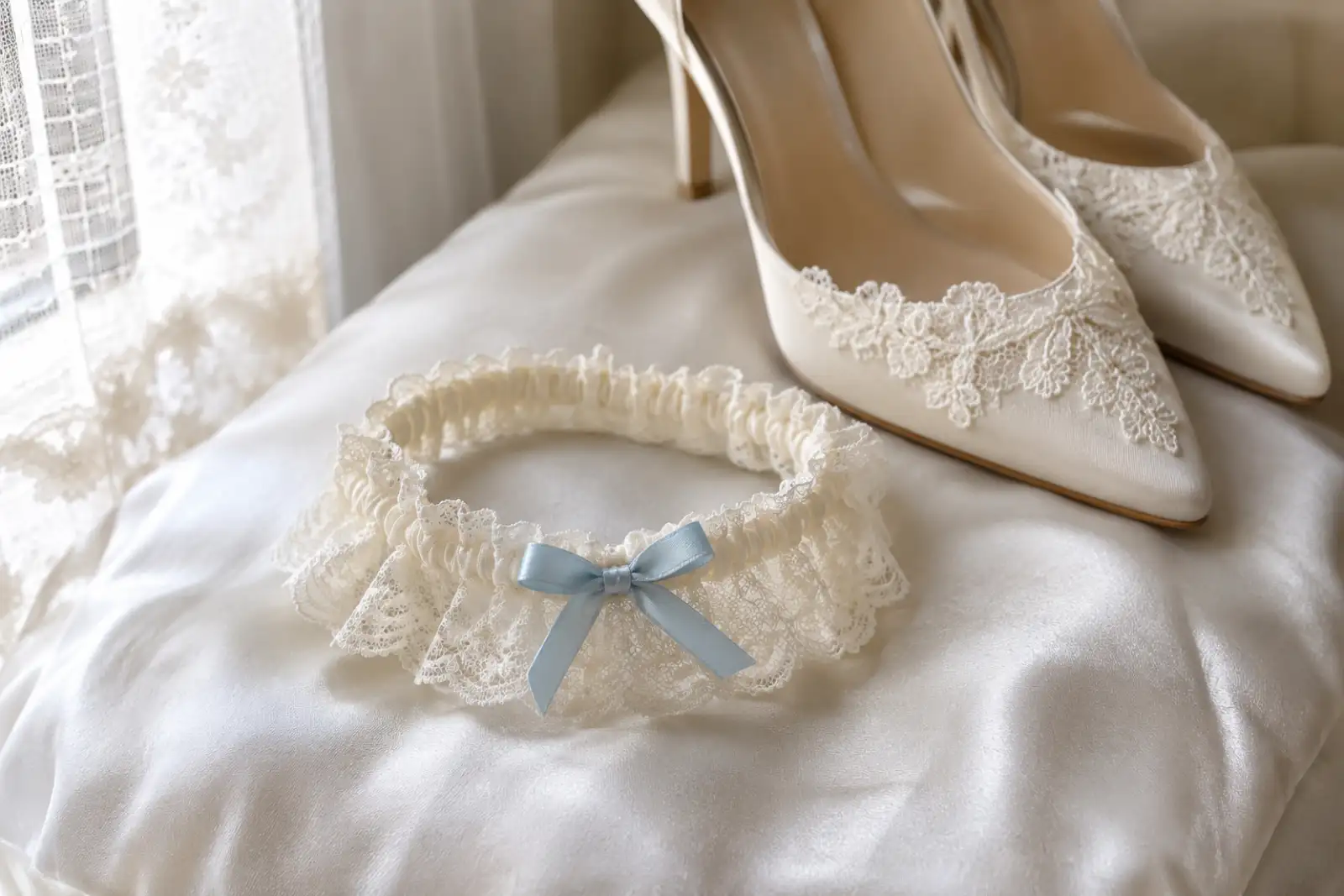
| Garter toss | A luck token taken from the bride | Skipped, or the shoe game instead |
| Receiving line | Greeting every guest formally | Table visits during the meal |
| Head table | Seating by rank and family | A sweetheart table, or sitting with friends |
| Speeches by men only | Inherited roles | Whoever has something to say |
| Cutting the cake | A shared first task | Kept, and usually moved earlier |
The receiving line is the one with the clearest cost-benefit case. With a hundred and fifty guests it takes about forty minutes of a drinks reception and produces a queue. Visiting tables during the meal reaches the same people, takes the same time, and gives you a chair to lean on.
The head table is worth more thought than it usually gets, because it is where divorced parents, step-parents and new partners collide. A sweetheart table for two, or a table of close friends, solves a seating problem that no arrangement of eight chairs ever quite does.

3. Language, dress and roles
Several traditions are carried by wording rather than by actions, and those are the cheapest to change.
Obey. Optional in the Church of England service and almost always omitted. Nobody notices its absence and everybody notices its presence.
Mr and Mrs, and the introduction. Being announced as a married unit under one name is a choice. Announcing both names is now at least as common.
The bridal party structure. Bridesmaids and groomsmen do not have to be sorted by gender or by side. Mixed parties, a best woman, a man of honour and a single attendant each are all ordinary. So is having none at all.
The white dress. A Victorian convention, not a rule. Colour, separates, a suit or a dress worn again afterwards are all choices rather than statements, unless you want them to be.
Who pays. The old division, with one family funding the wedding and the other the rehearsal dinner, has largely dissolved. Most couples now contribute themselves, and families give what they can.
These changes are almost invisible to guests, which is the useful thing about them. Nobody at a wedding is checking the wording of a vow against a book.
Related articles
4. New traditions that have stuck
Some of what couples do now did not exist a generation ago and has settled into ordinary practice.
- The first look. A private meeting before the ceremony, which trades the aisle reveal for a calmer morning and an hour back in the schedule.
- Unplugged ceremonies. Phones away, driven by professional photographs and by the simple wish to be looked at rather than filmed.
- Letters to each other, written the night before, read separately.
- Unity rituals from other traditions, chosen rather than inherited, at ceremonies without a fixed liturgy.
- Guest photograph galleries, which have replaced the disposable cameras of the 1990s and produce far more usable results.
- Late-night food. Not a tradition in any historical sense and now close to universal, because it works.
What these have in common is that they solve a real problem rather than commemorating an old one. That is a good filter for anything you are thinking of adding: if it is not solving something, it is decoration, and decoration is fine as long as you know that is what it is.
5. Telling the family
Most resistance to changing a tradition is not really about the tradition. It is about somebody feeling written out, and it is nearly always fixed by giving that person a different job.
- Tell people early and in person. A father who hears in February that you are walking in together has three months to get used to it. One who finds out from the order of service has none.
- Say what you are doing instead. A change framed as a replacement lands better than one framed as a removal.
- Offer a role. A reading, a toast at the rehearsal dinner, walking your mother in, holding the rings. People want to be part of it, not to enforce a rule.
- Decide together which battles matter. If a grandmother genuinely needs one custom kept and you are indifferent to it, keeping it costs nothing.
- Do not explain twice. One conversation, then the decision stands. Reopening it invites negotiation.
Then let the guests find out on the day. Almost nothing on this list needs announcing; a wedding without a garter toss is simply a wedding, and the only people who need briefing are the ones with jobs. Where something does need explaining, a line in the order of service or a note with the day's timings on your wedding website is enough.
Go through the day and ask of each tradition what it is doing, then keep it, change it or drop it on that basis rather than on habit. Tell the two or three people who will mind, in person and early, and give them something else to do. Everything else can simply happen, because guests notice what is there and never what is missing.
One caution worth keeping. Replacing every tradition at once produces a day that reads as a statement rather than a wedding, and it puts you at the centre of a conversation you may not want. Two or three deliberate changes land better than fifteen. More often than not, the expectation on the other side comes from the customs of the region.
All things wedding
Plan your wedding
Bring your tasks, costs and guests together for the day.
Invitations and wording
Find the right words for your wedding invitation.
As a wedding guest
Write a personal message and choose a thoughtful gift.
Wedding anniversaries
Explore anniversary names, traditions and celebration ideas.
Planning your dream wedding?
Create your own wedding website in minutes – with RSVP function, photo gallery, and more.